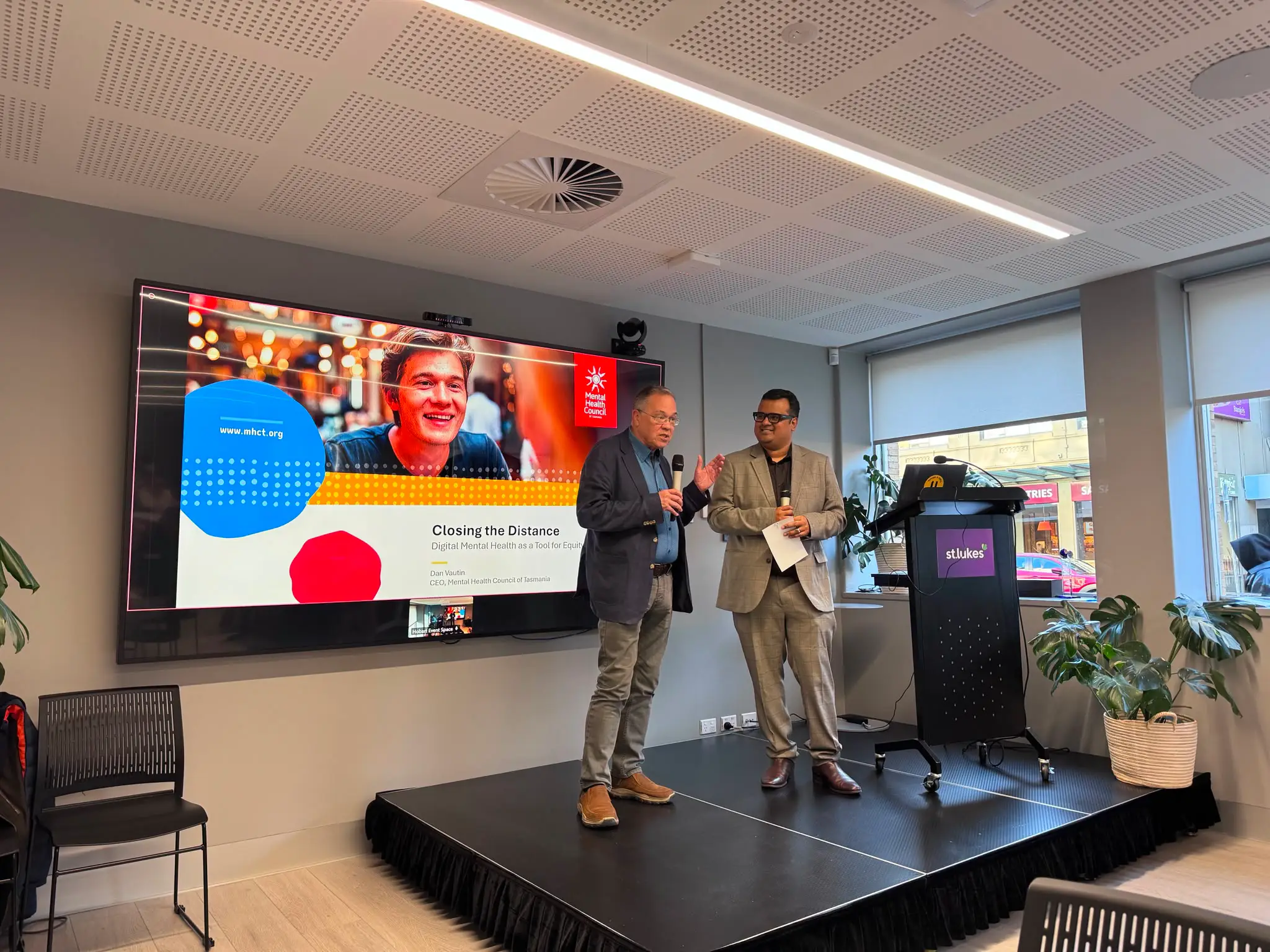
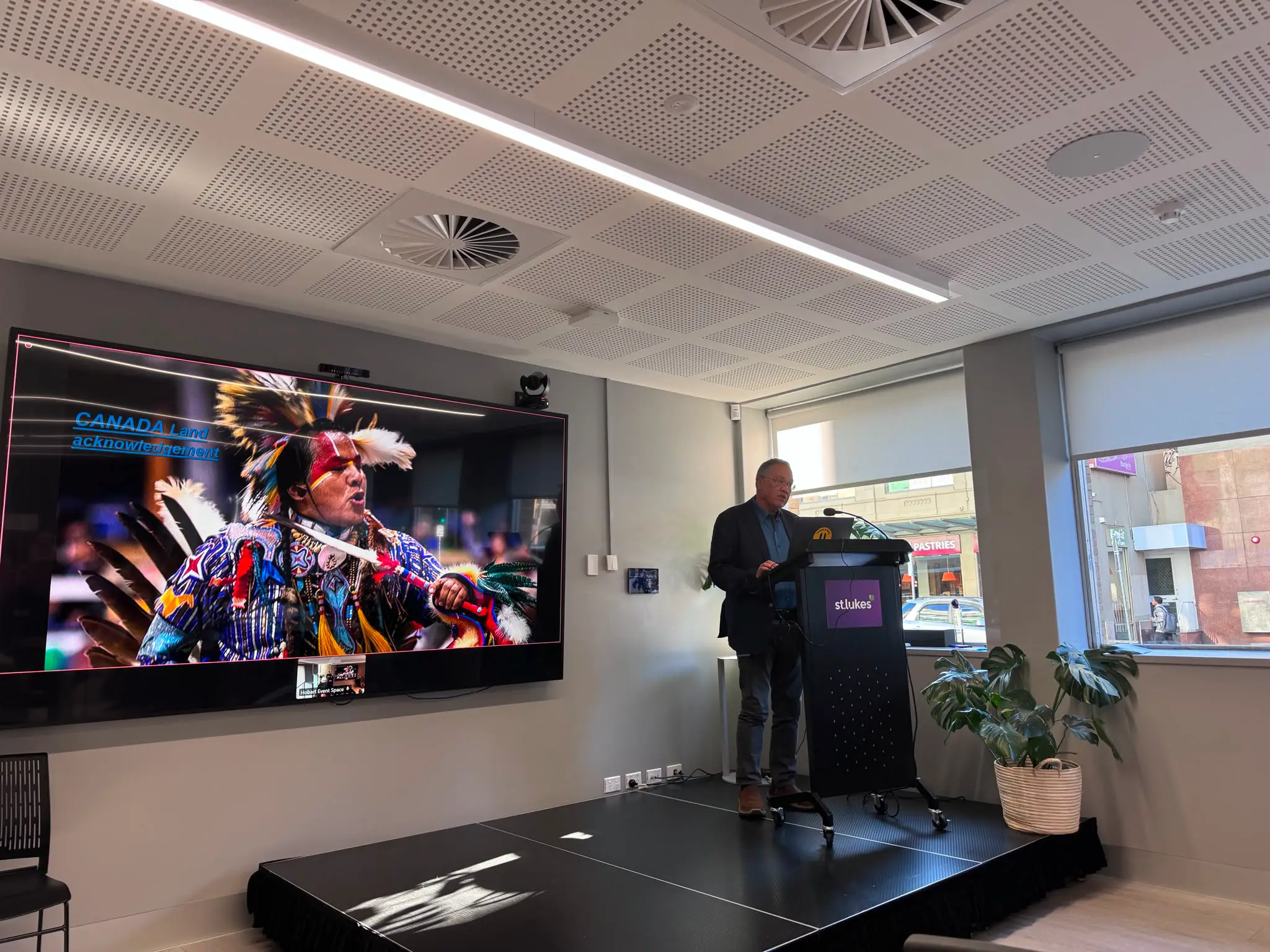
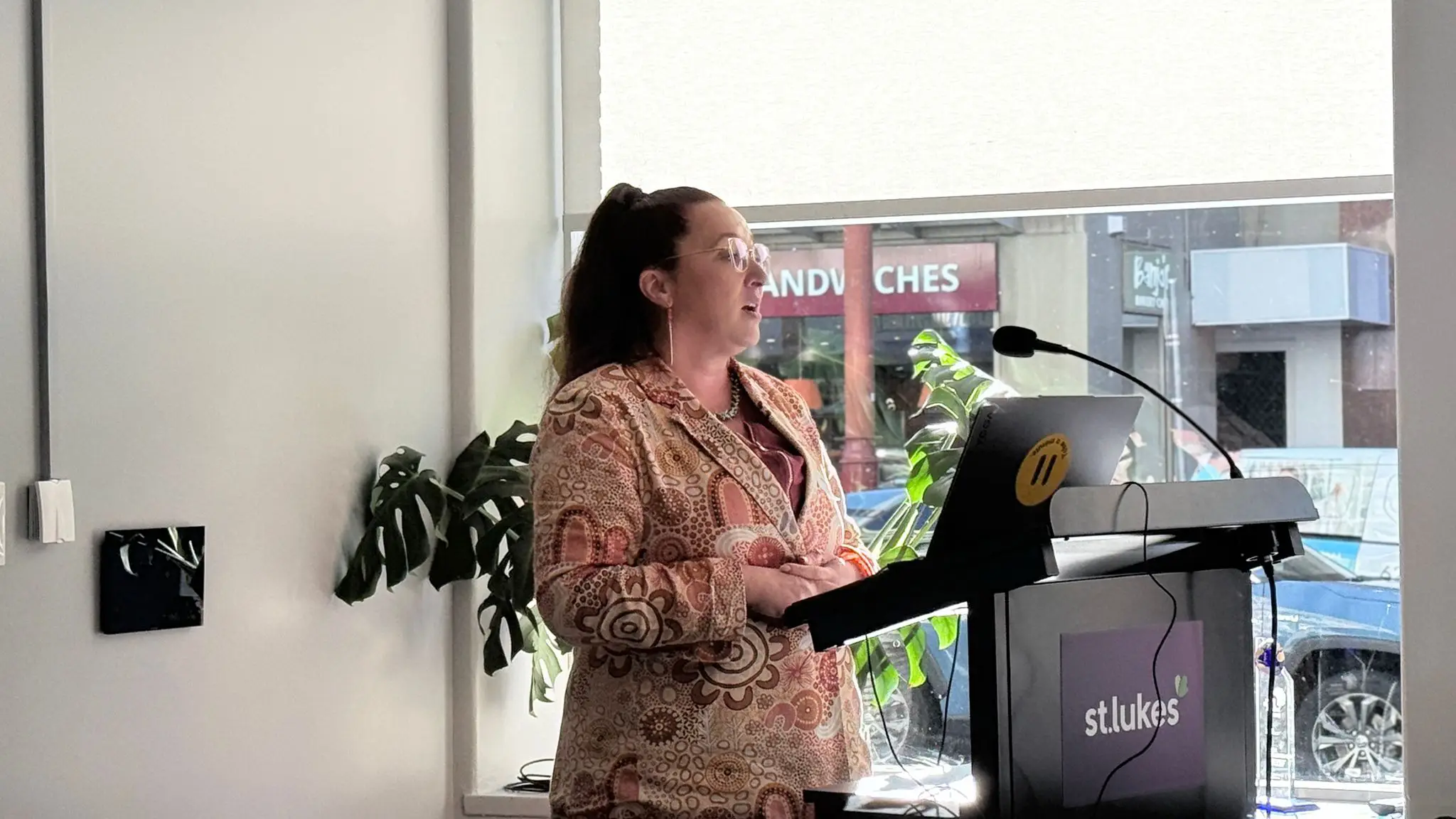
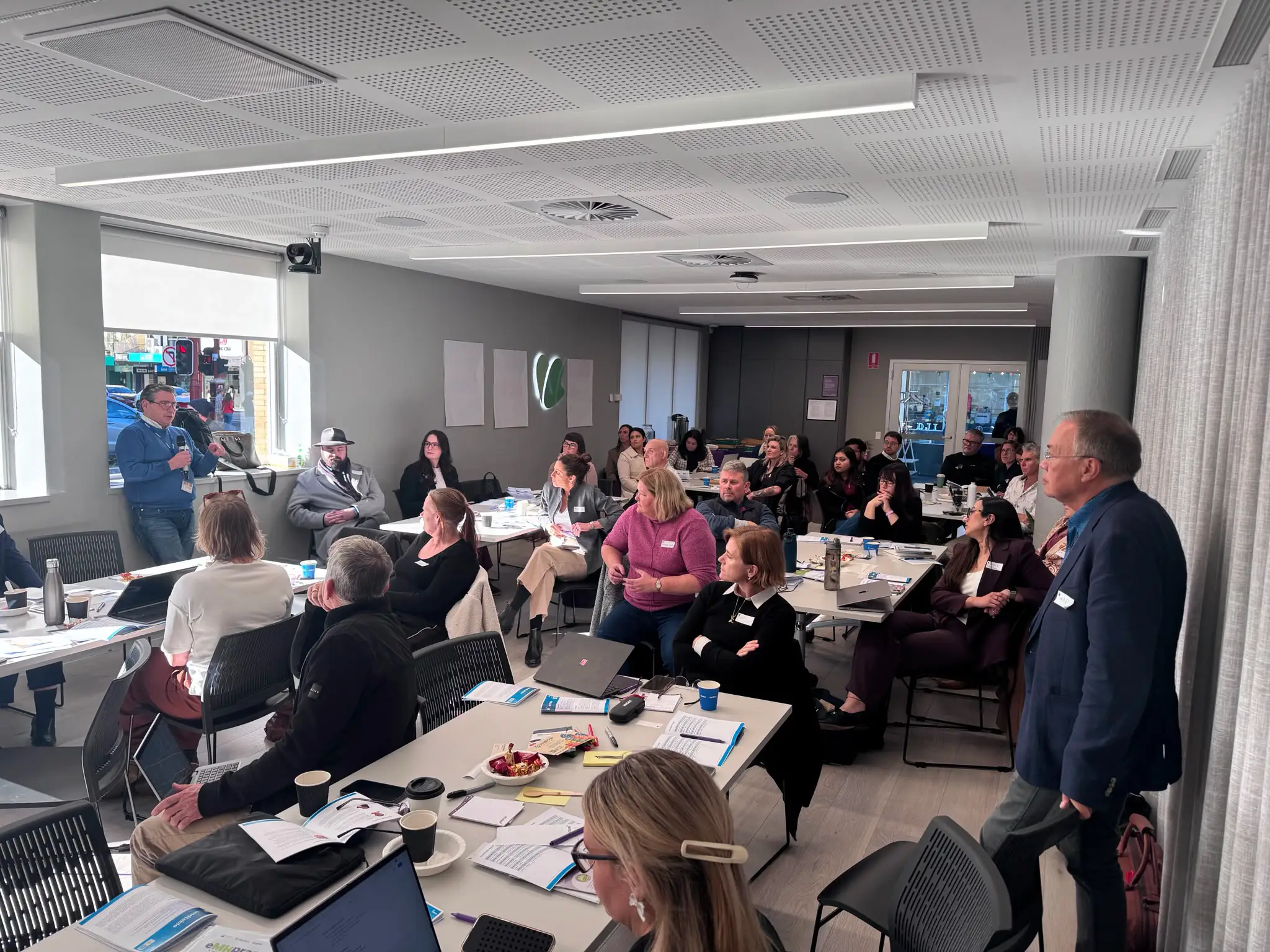
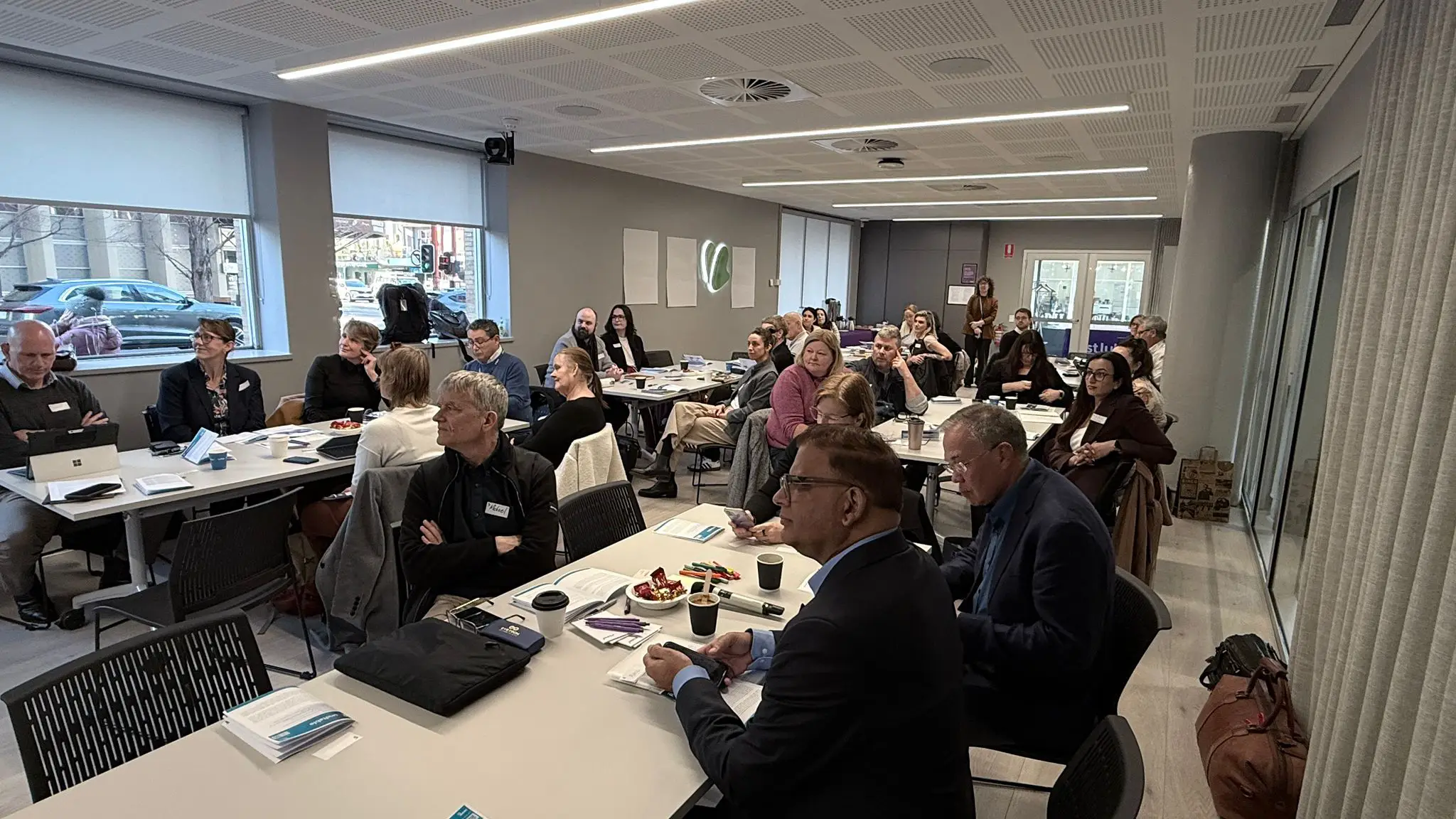
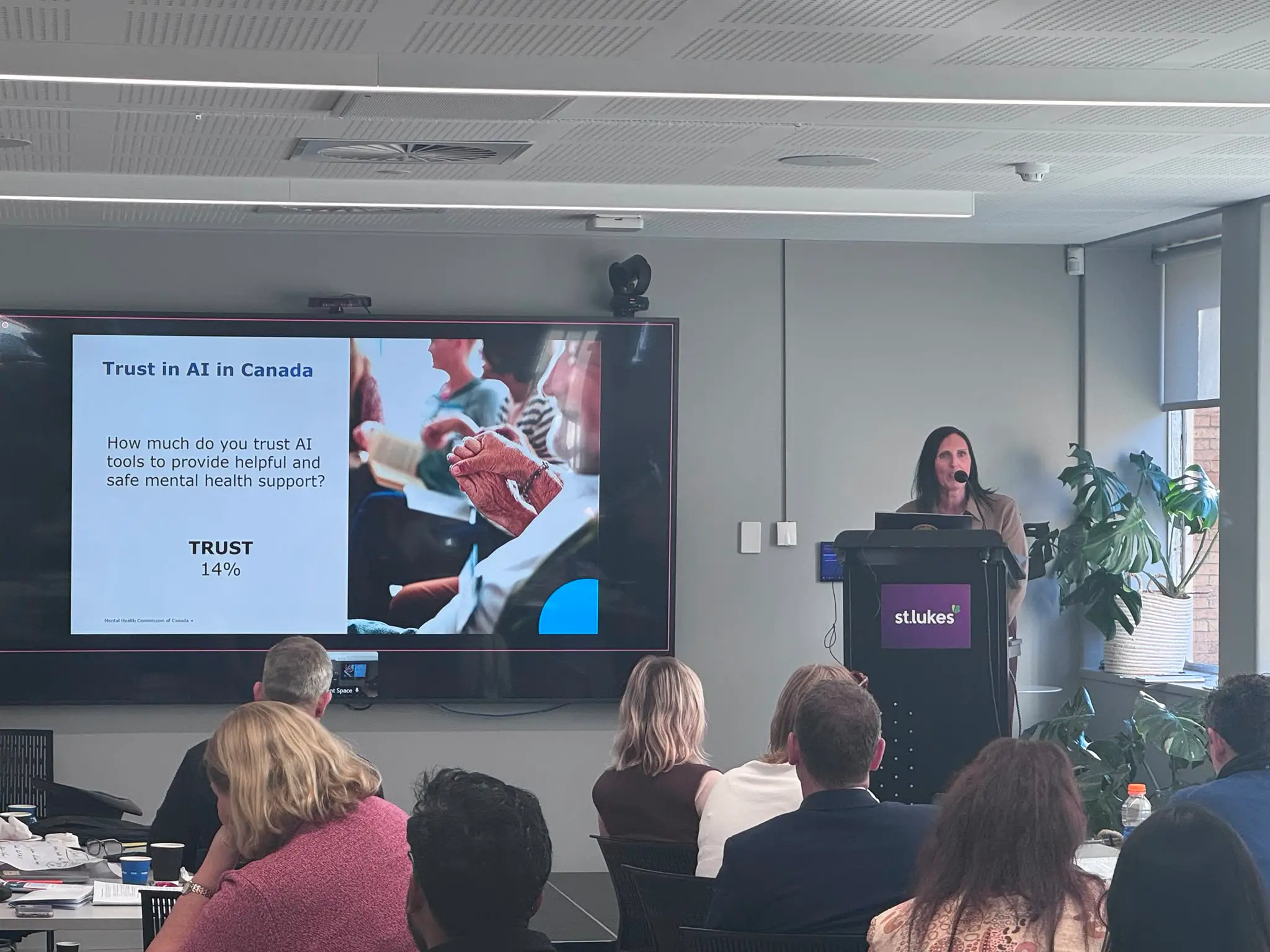
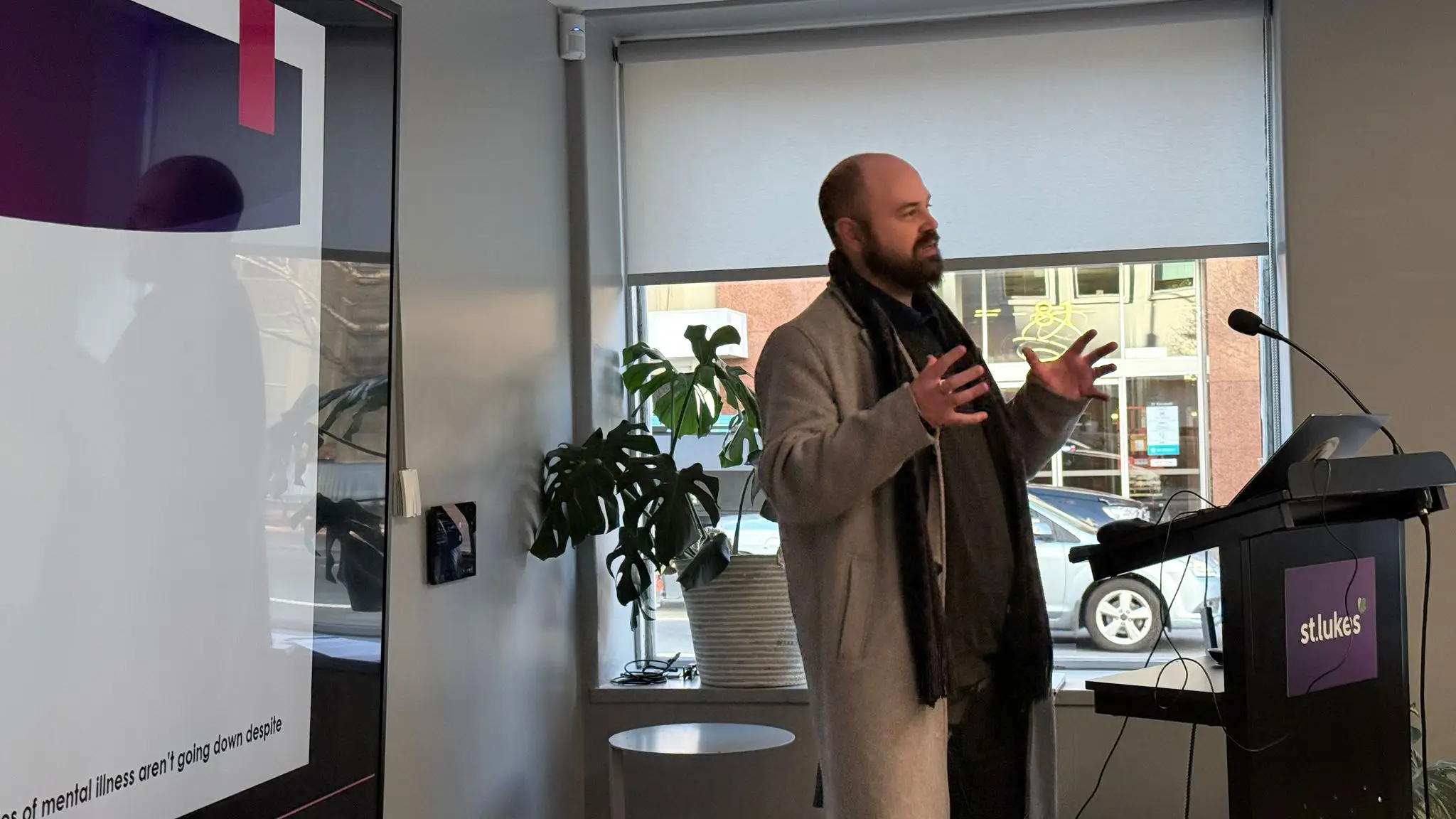
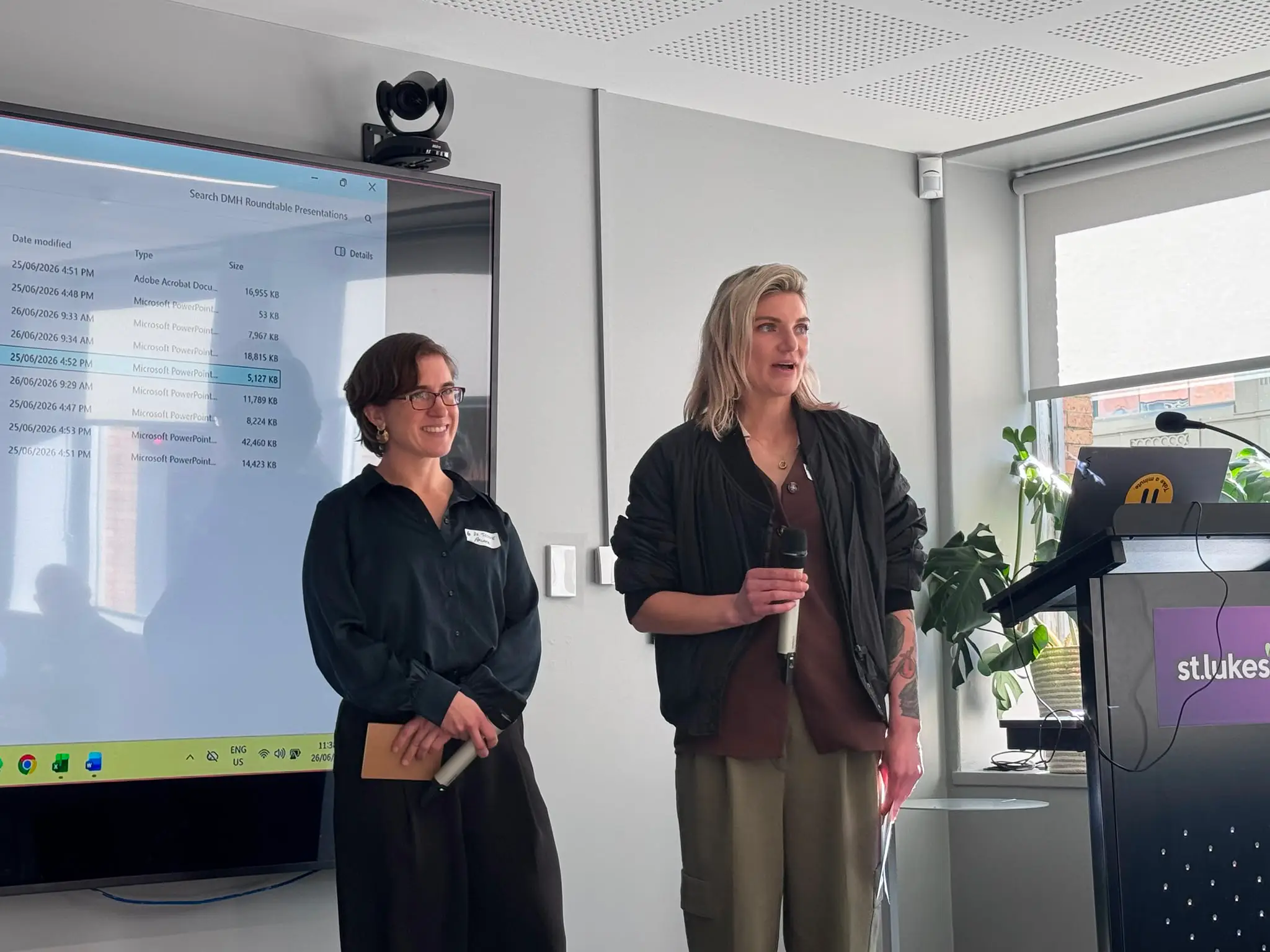
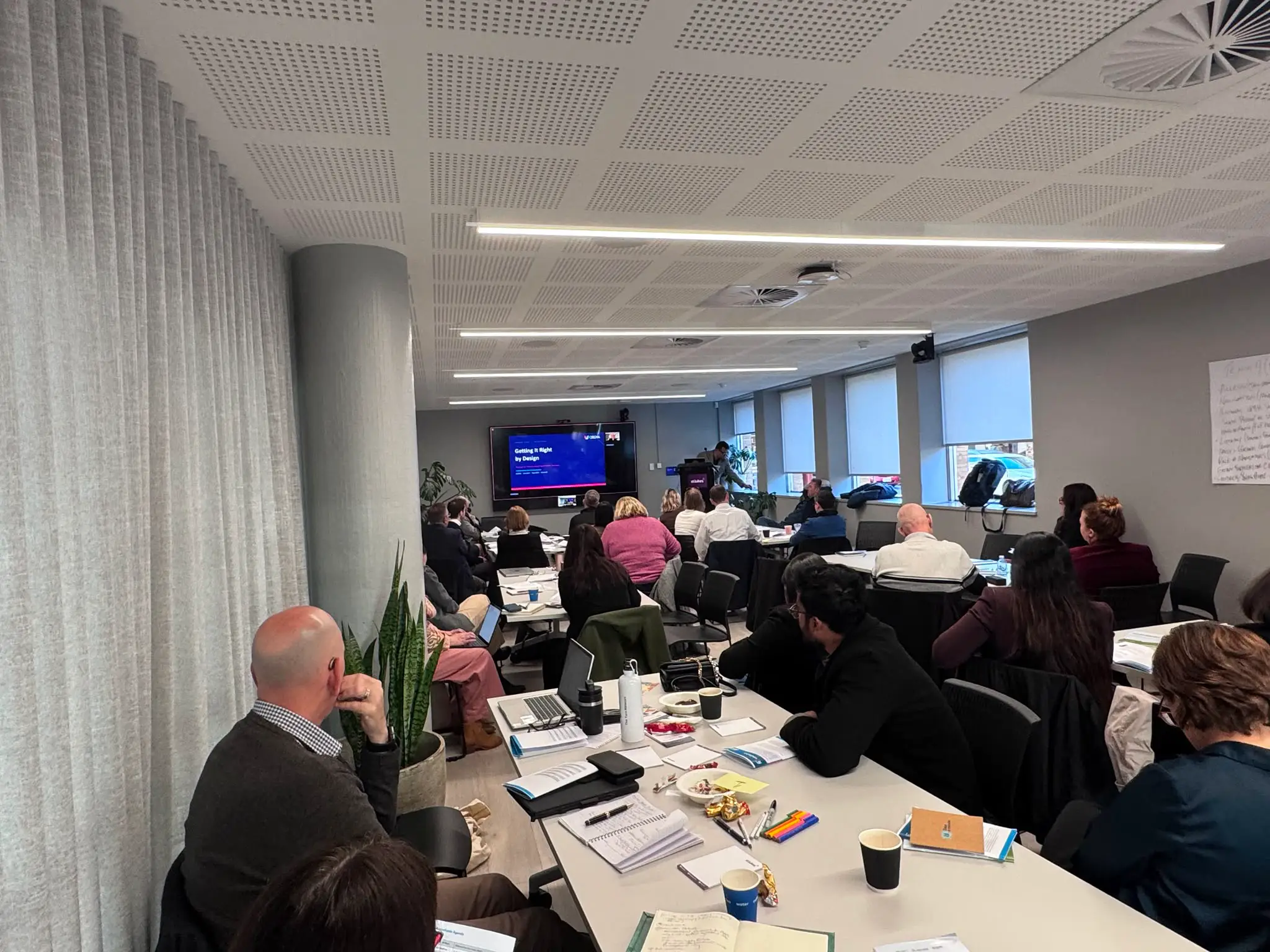
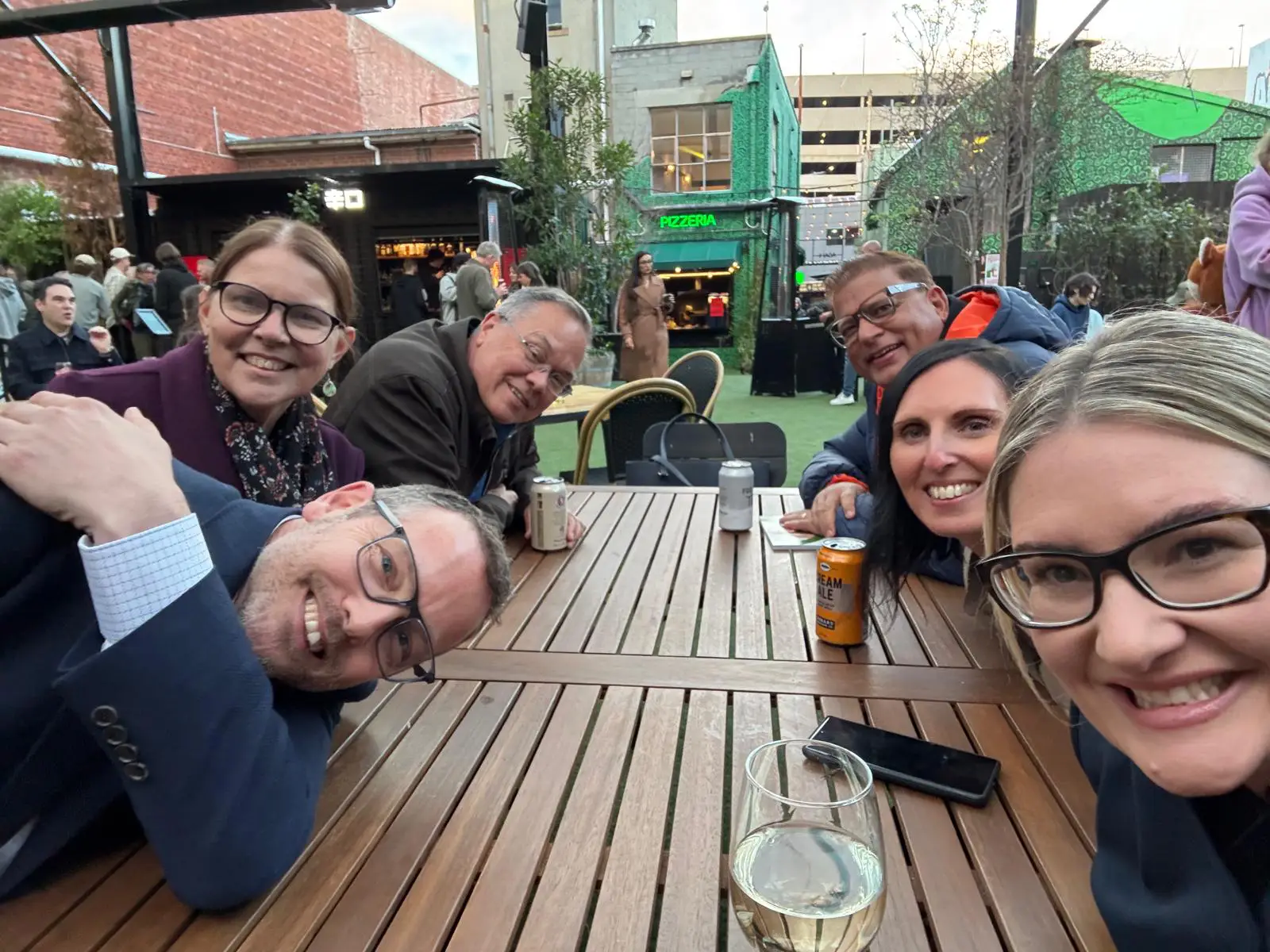
On Friday 26 June 2026, leaders from Tasmania, across Australia, Canada, the United Kingdom and New Zealand gathered in Hobart for the Hobart Digital Mental Health Roundtable, held under the theme Closing the Distance: Digital Mental Health as a Tool for Equity in Tasmania.
Hosted by the eMental Health International Collaborative (eMHIC) in collaboration with the Mental Health Council of Tasmania (MHCT), the invitation-only Roundtable brought together policymakers, researchers, clinicians, service providers, people with lived experience and digital mental health innovators to explore how digital mental health can improve access to care and strengthen Tasmania’s mental health system. The event was facilitated by Dr M Tasdik Hasan and Professor Andrew Greenshaw.
Why Tasmania, Why Now?
The timing of the Roundtable was no coincidence.
Tasmania is currently developing its next Mental Health Strategy: Rethink and Beyond, a roadmap that will shape the state’s mental health system for years to come. Participants recognised this as a critical opportunity to ensure digital mental health is embedded from the outset as a core component of modern mental healthcare, rather than being introduced later as a standalone initiative.
The need has never been greater. Demand for mental health services continues to grow while Australia faces significant workforce shortages. Tasmania’s dispersed population, higher rates of psychological distress in rural and remote communities, and limited access to specialist services make the case for digital mental health particularly compelling. At the same time, participants acknowledged that equitable access also depends on improving digital literacy, internet connectivity and access to devices across the state.
From Challenge to Opportunity
Throughout the day, participants engaged in honest and practical discussions about how digital mental health can help address some of Tasmania’s most pressing challenges.
Conversations explored how telehealth, online therapy, digital navigation platforms, peer support, artificial intelligence and other evidence-based digital tools can expand access to care while complementing existing face-to-face services. There was also strong discussion around strengthening mental health literacy, supporting early intervention, improving care for rural and remote communities, and ensuring digital services are co-designed with people who have lived and living experience.
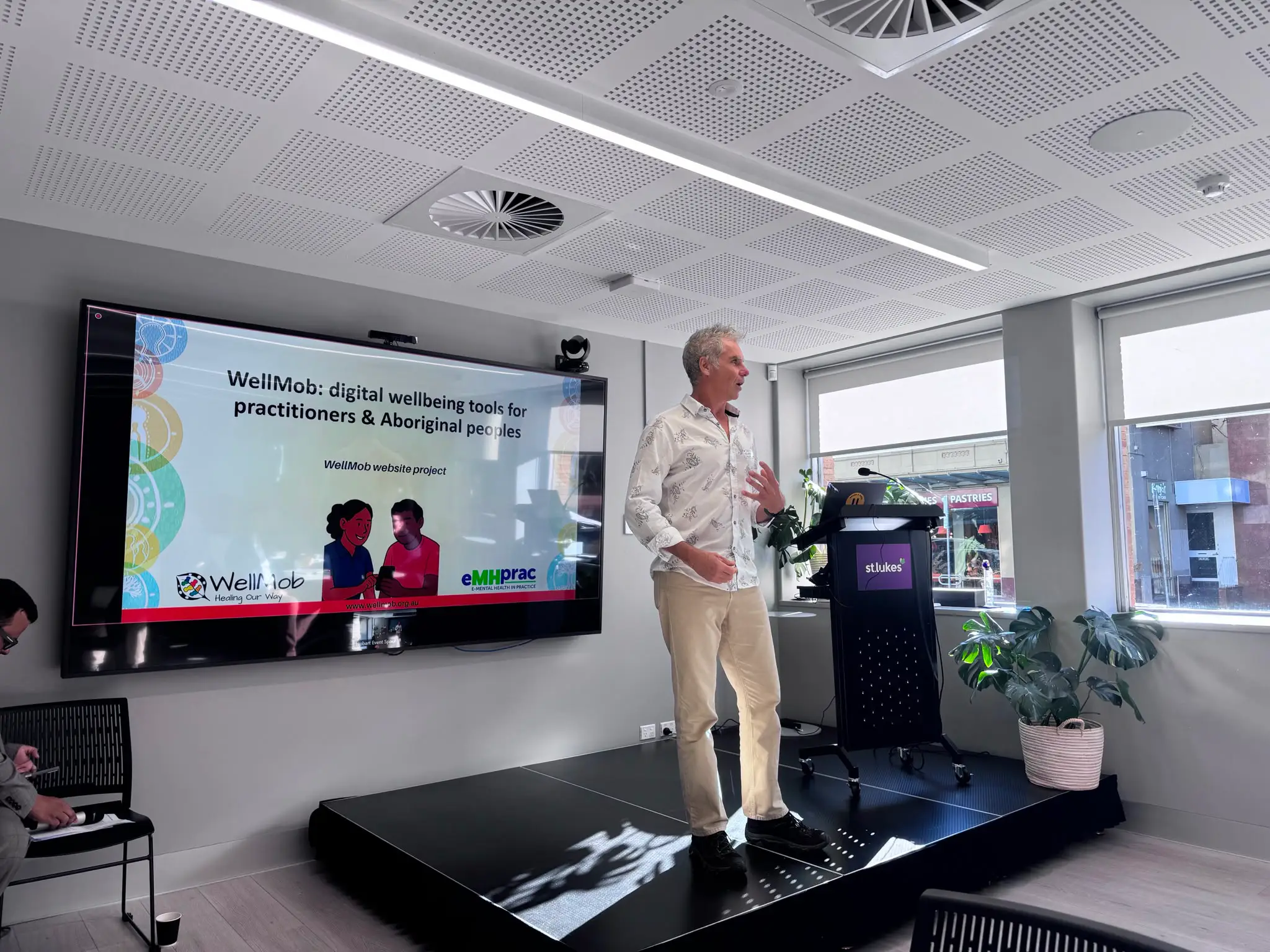
A recurring theme was the importance of equity. Participants highlighted the need for culturally appropriate approaches for First Nations peoples, practical solutions to digital exclusion, and governance frameworks that ensure emerging technologies, including artificial intelligence, are implemented safely, ethically and responsibly.
The Roundtable also provided an opportunity to learn from successful initiatives already operating across Tasmania, Australia and internationally, identifying practical approaches that could be adapted to Tasmania’s unique context.
A Shared Vision for the Future
While discussions covered a wide range of issues, one message was remarkably consistent.
Participants agreed that digital mental health should no longer be viewed as an optional extra or a series of disconnected pilot projects. Instead, it should become a core and integral component of Tasmania’s next Mental Health Strategy, supported by a coordinated statewide Digital Mental Health Framework to guide investment, implementation, quality standards and evaluation.
The Roundtable also reinforced the value of international collaboration. Bringing together expertise from across government, academia, healthcare, industry and community organisations allowed participants to share lessons learned, challenge assumptions and identify opportunities that no single organisation or jurisdiction could achieve alone.
Contributors included representatives from the Mental Health Council of Tasmania, the Australian Government Department of Health, Disability and Ageing, Beyond Blue, WellMob, eMHPrac, the Mental Health Commission of Canada, PractaLuma, Dial A Mate Mental Health Australia, MoodMission and the University of Tasmania, alongside collaborative workshop sessions designed to generate practical recommendations for the future.
Recognising Leadership
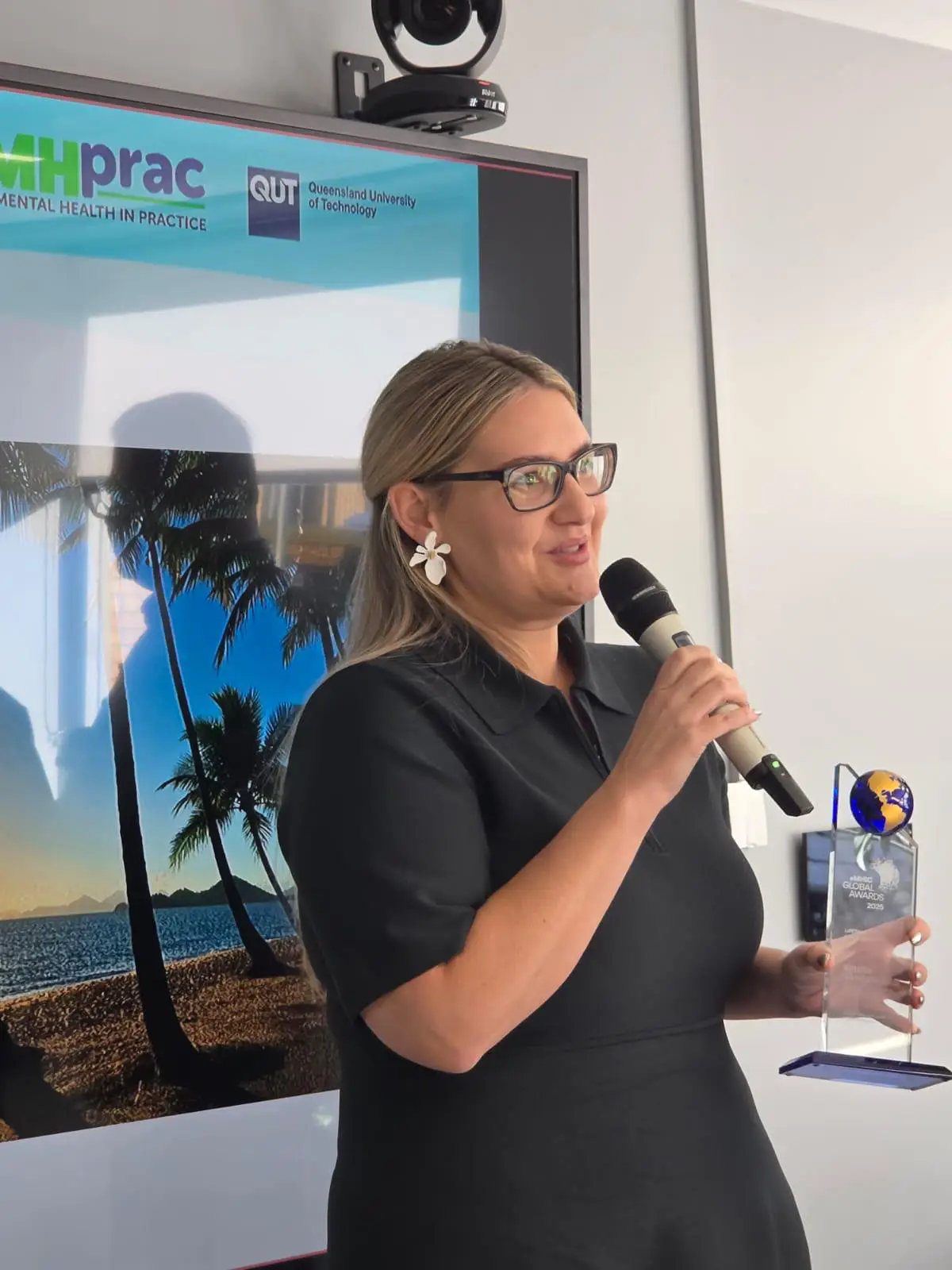
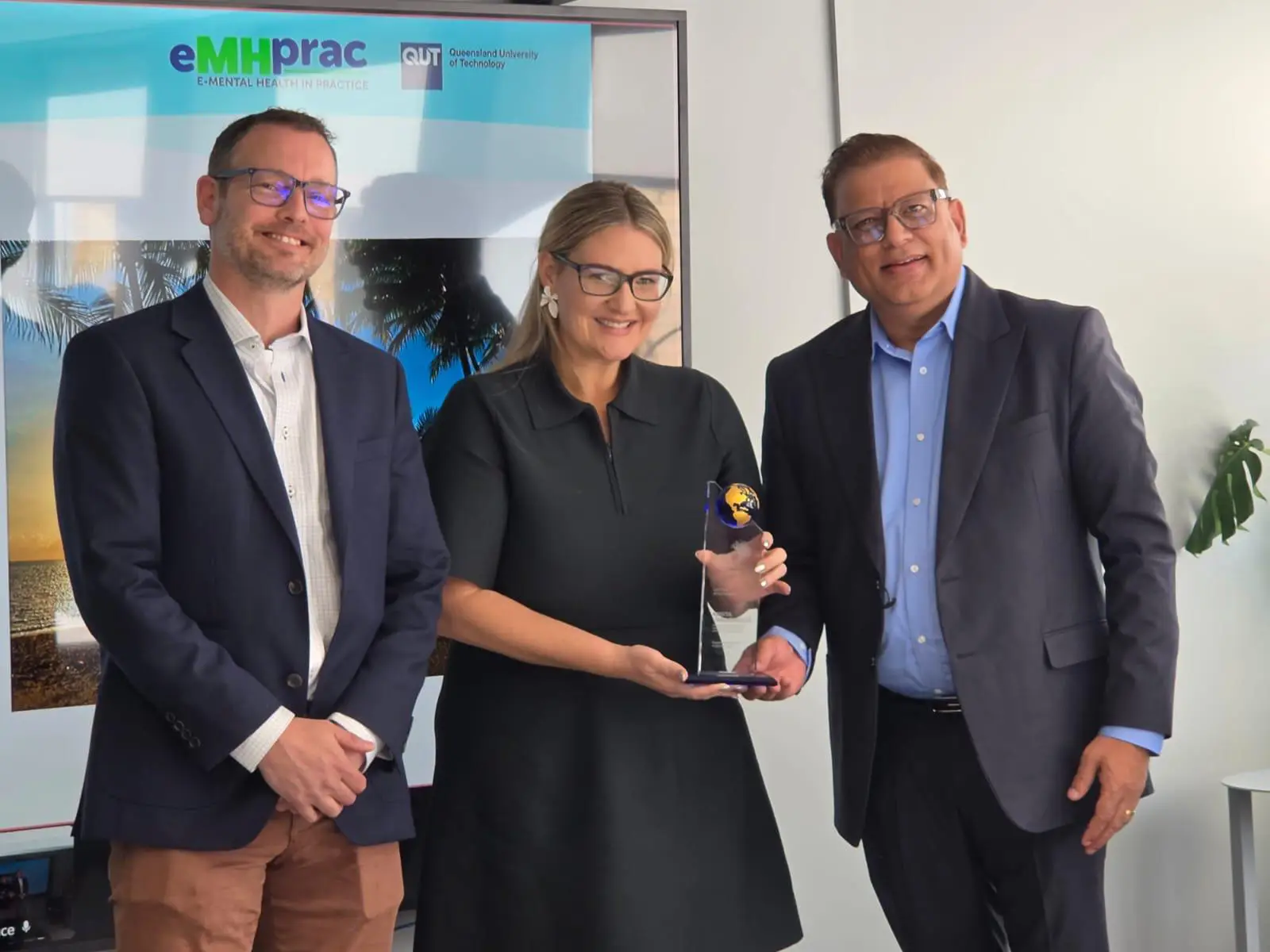
A highlight of the Roundtable was the presentation of the eMHIC Leadership Excellence Award to Krista Vanderheide, recognising her outstanding leadership and contribution to advancing digital mental health at a national level.
Krista was also inducted into the eMental Health Hall of Fame, acknowledging her commitment to innovation, collaboration and strengthening mental health systems for the benefit of communities across Australia.
Looking Ahead
The Hobart Digital Mental Health Roundtable demonstrated what can happen when leaders come together with a shared purpose and a willingness to have honest conversations about the future of mental healthcare.
The day was not simply about identifying challenges. It was about building practical, evidence-informed solutions that improve access, reduce inequities and strengthen mental health services for all Tasmanians.
As Tasmania continues to shape its next Mental Health Strategy, the conversations held in Hobart have provided both momentum and direction. They also sent a broader message beyond Tasmania’s borders. By combining bold local leadership with international collaboration and shared learning, Tasmania has an opportunity to become a leading example of what good digital mental health looks like in practice, demonstrating how technology, when thoughtfully implemented, can help create a more accessible, equitable and connected mental health system for everyone.