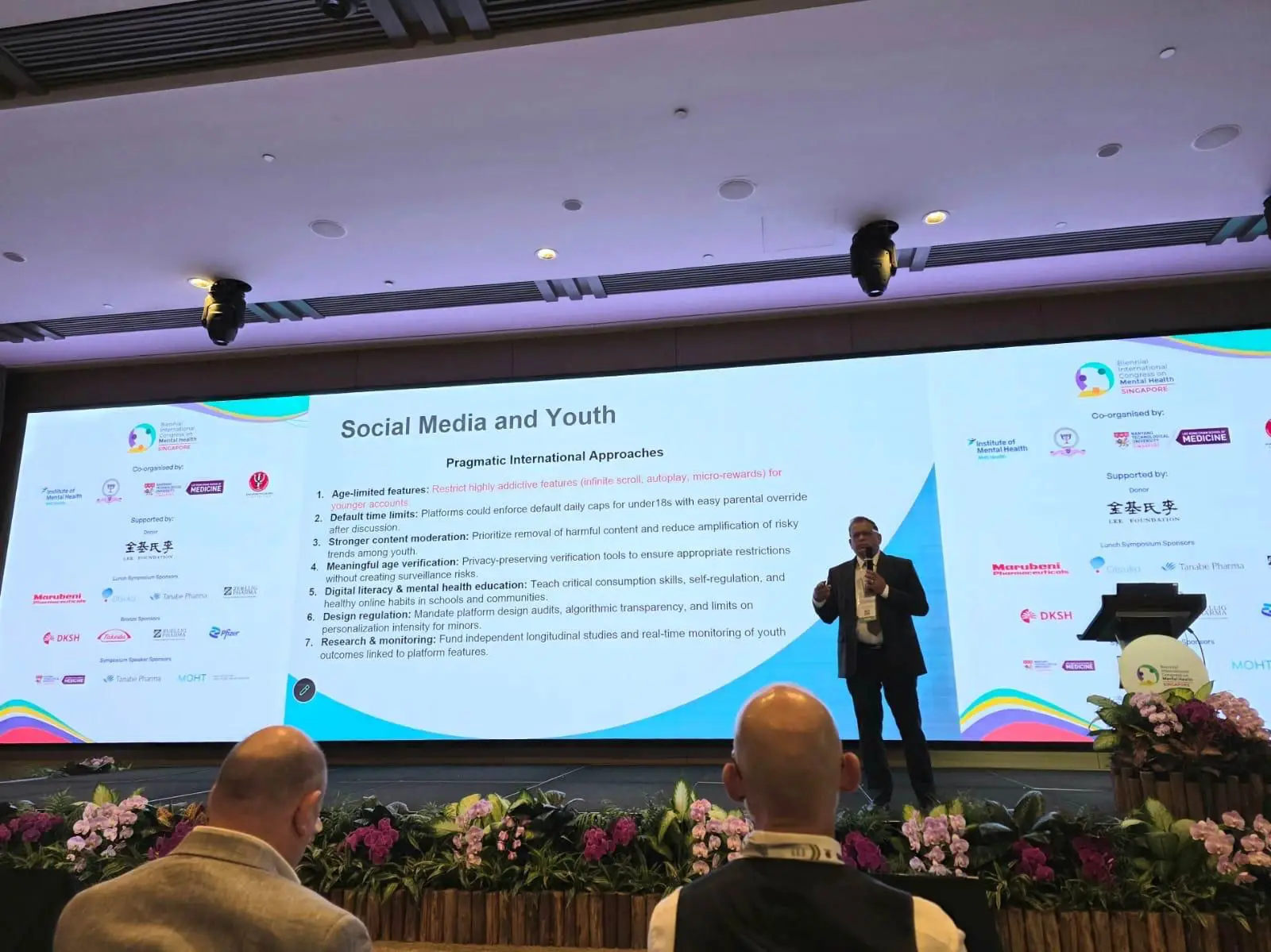
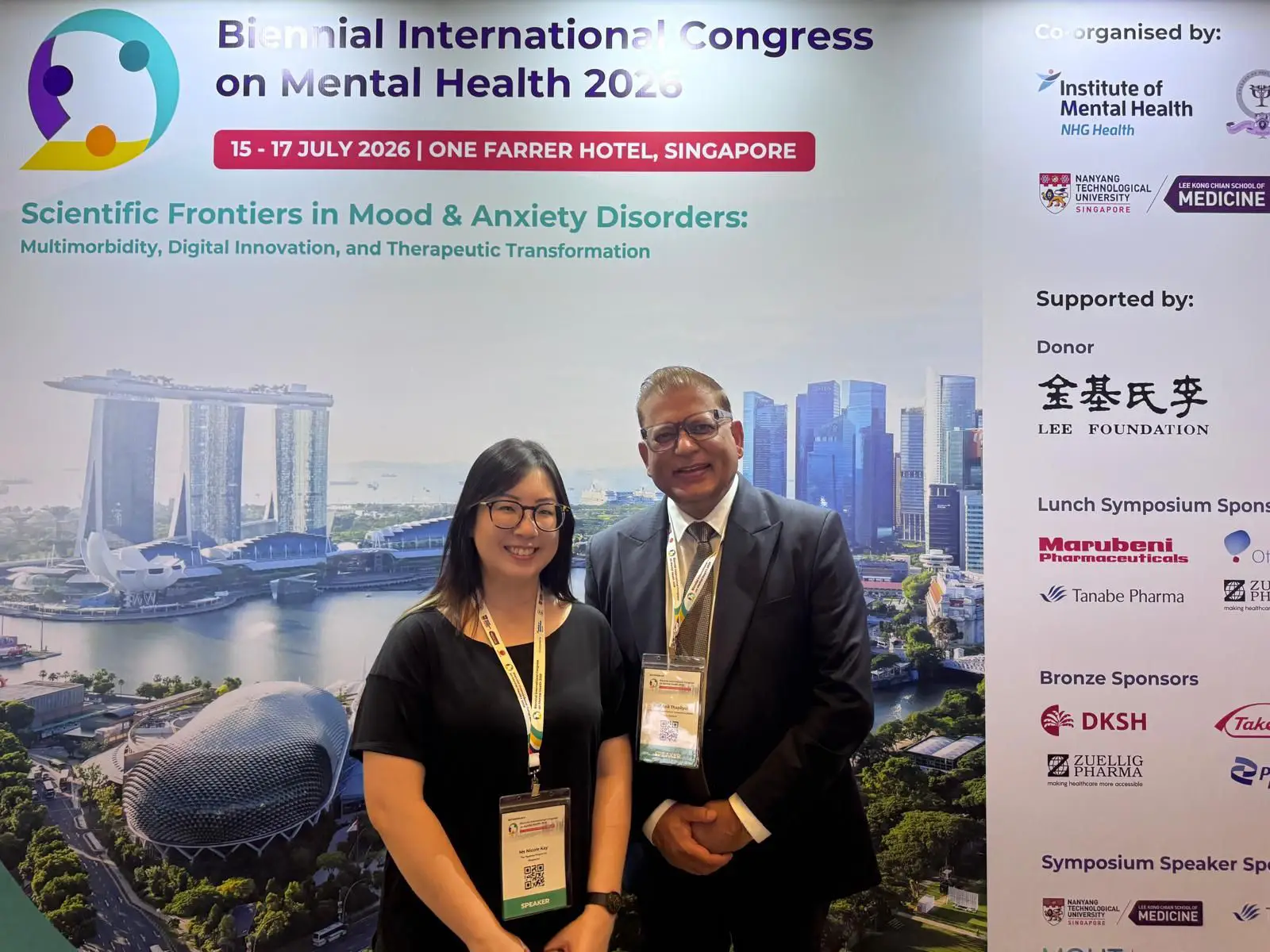
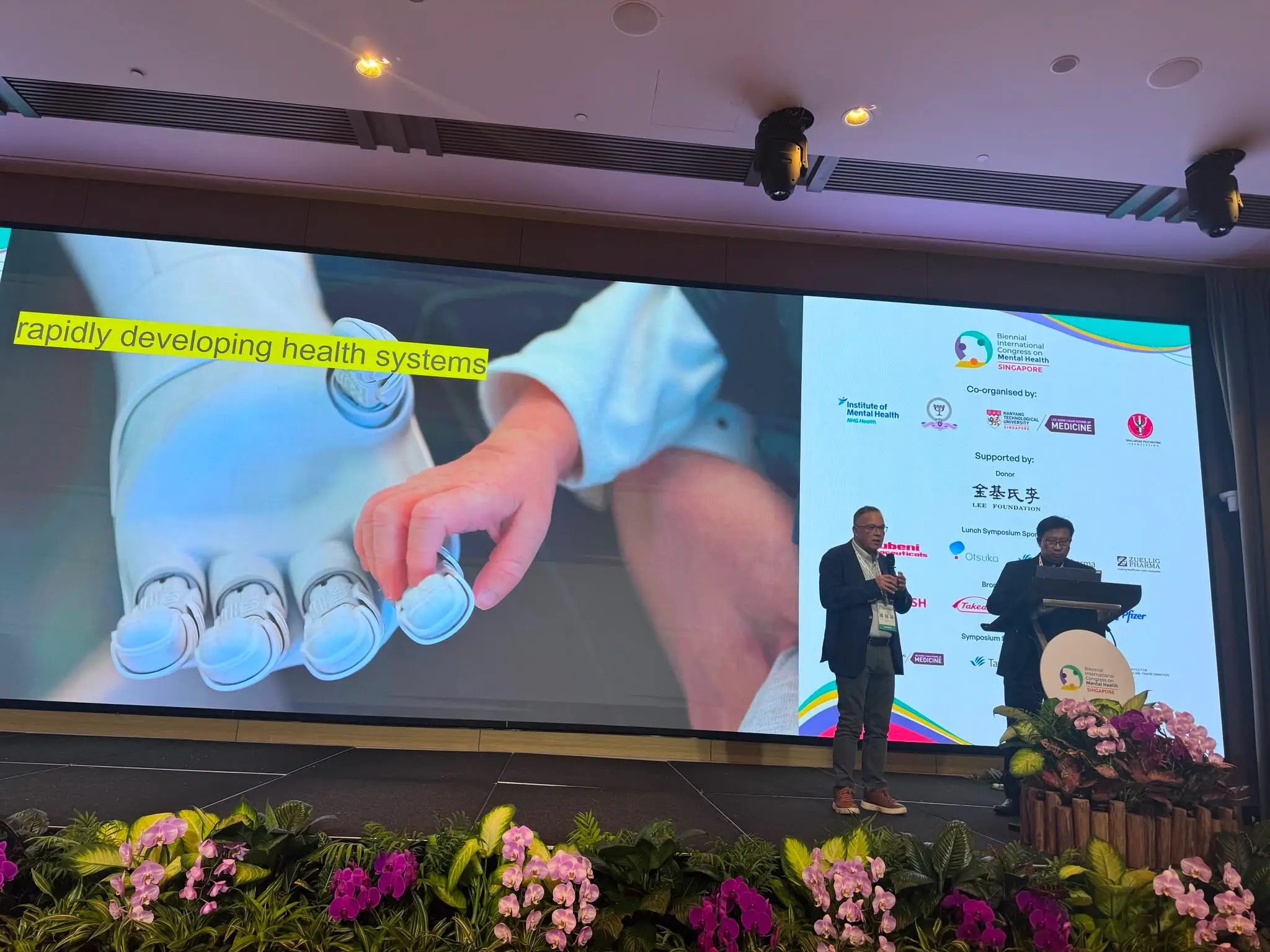
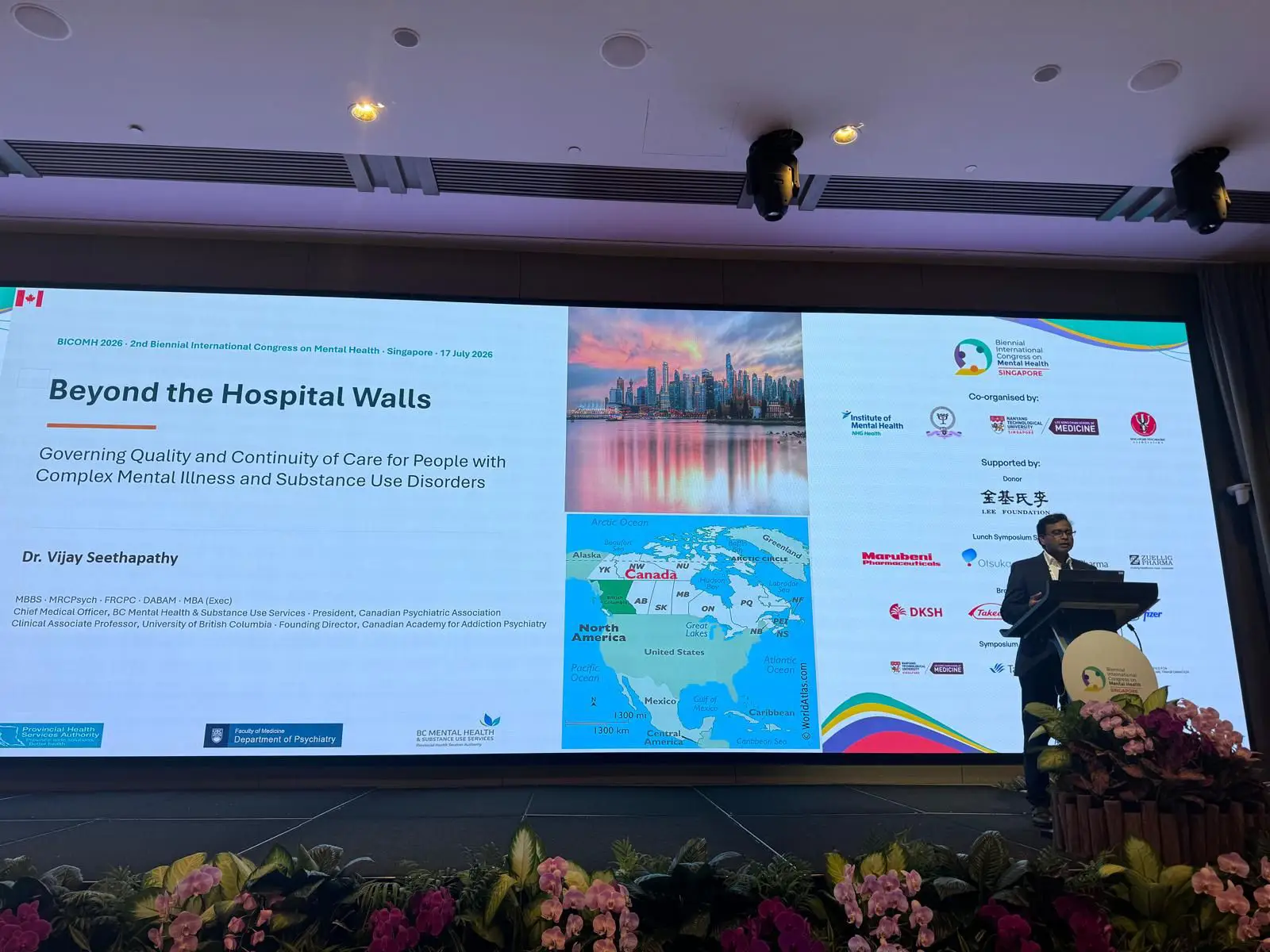
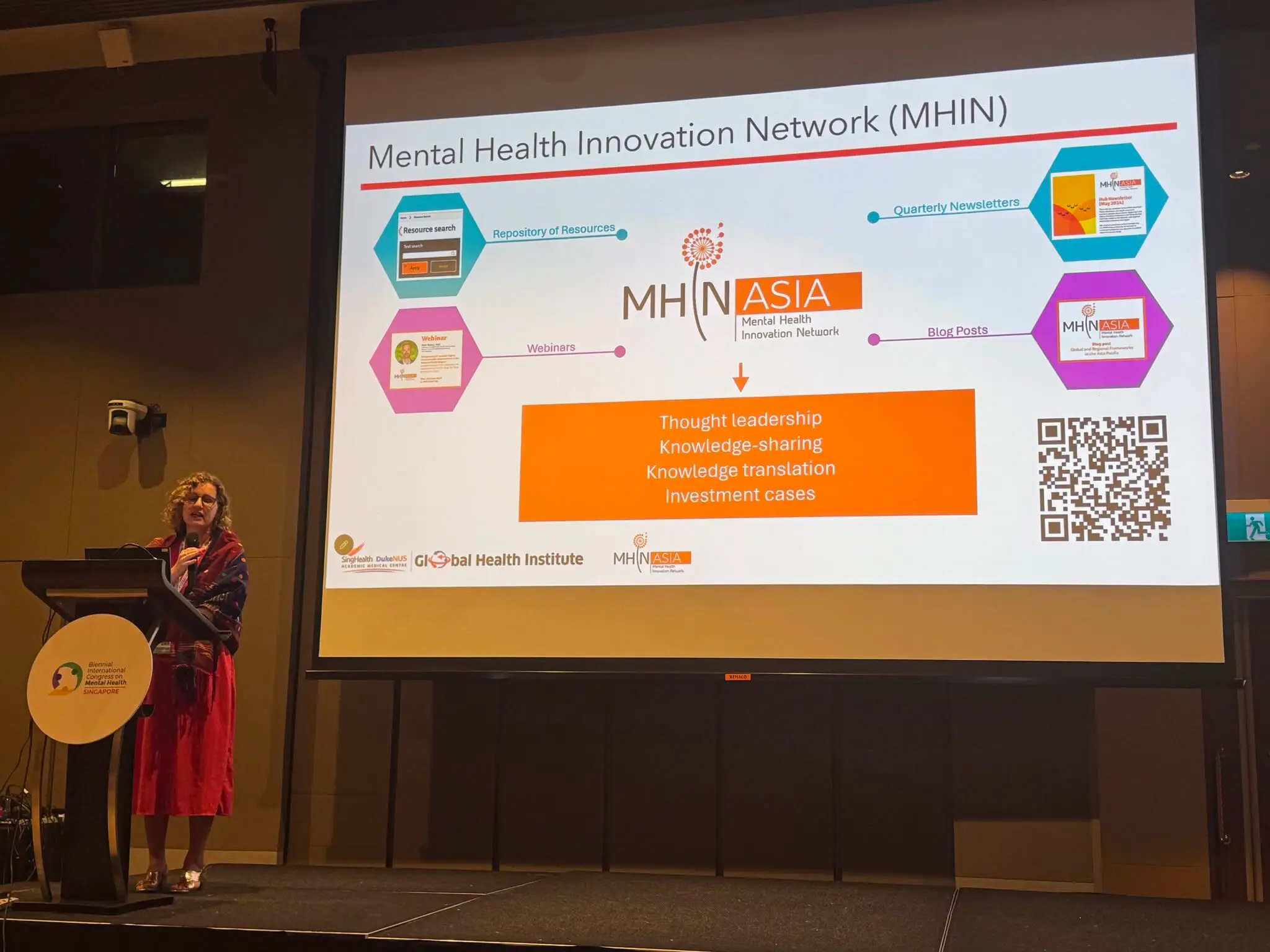
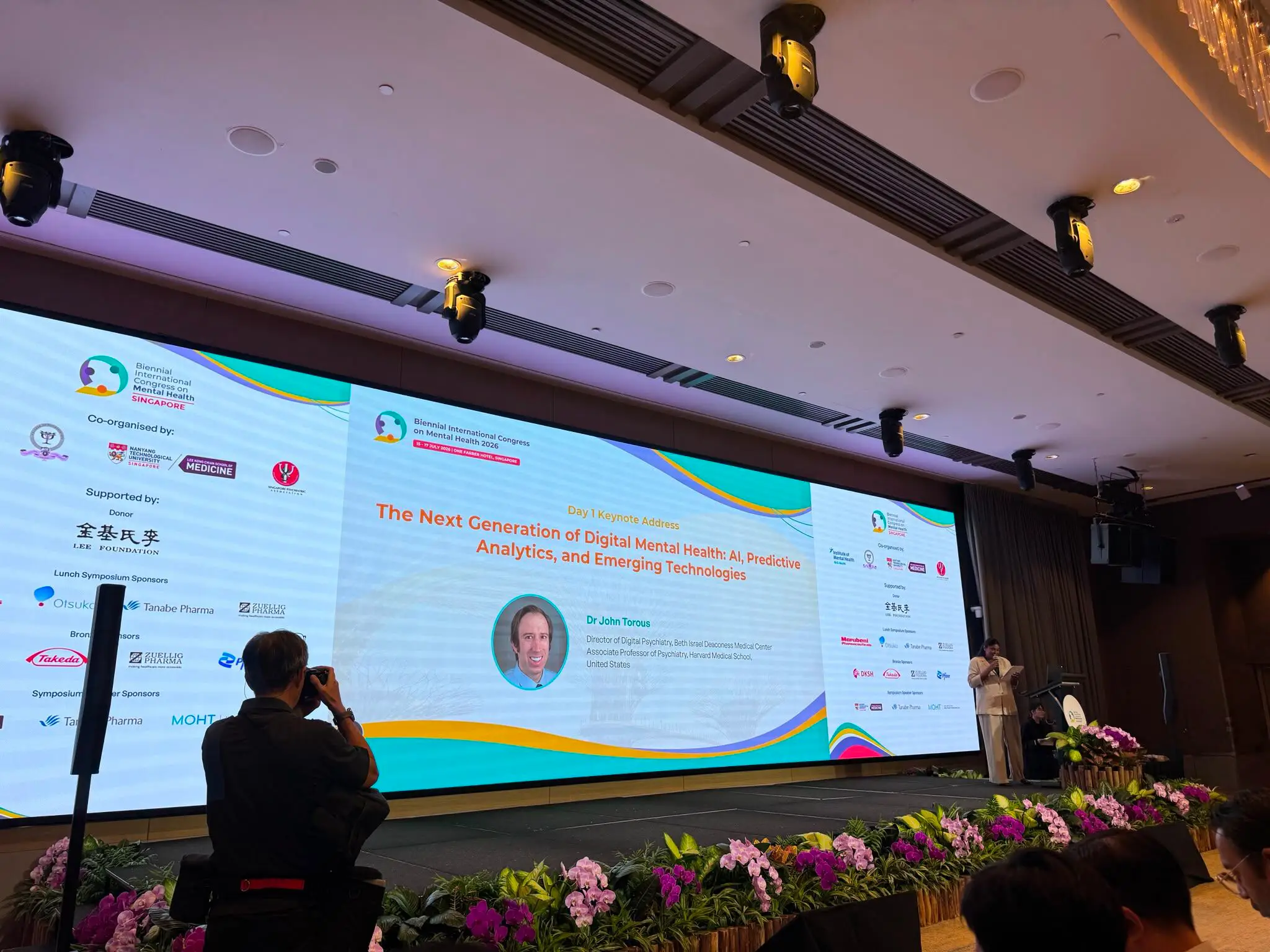
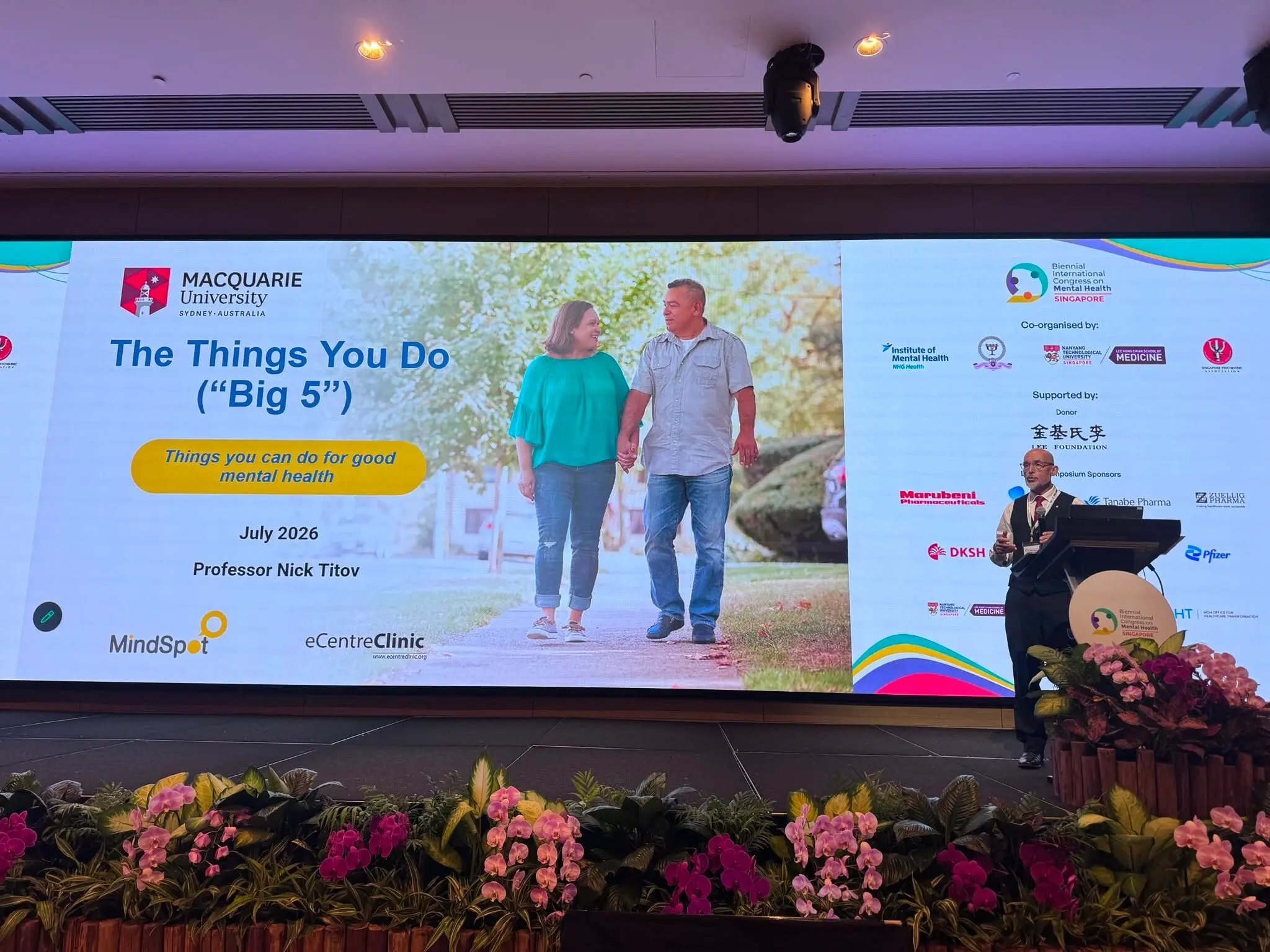
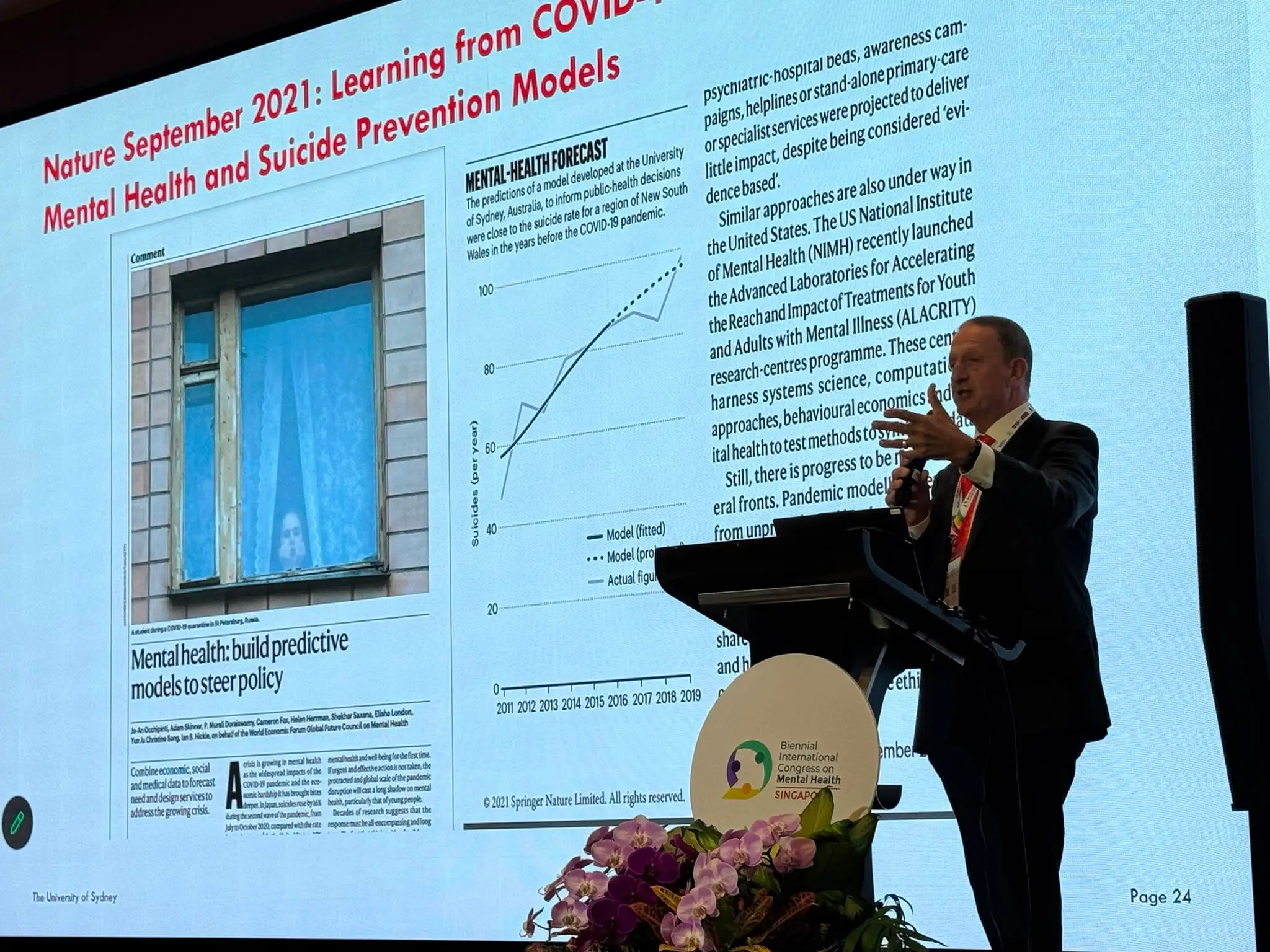
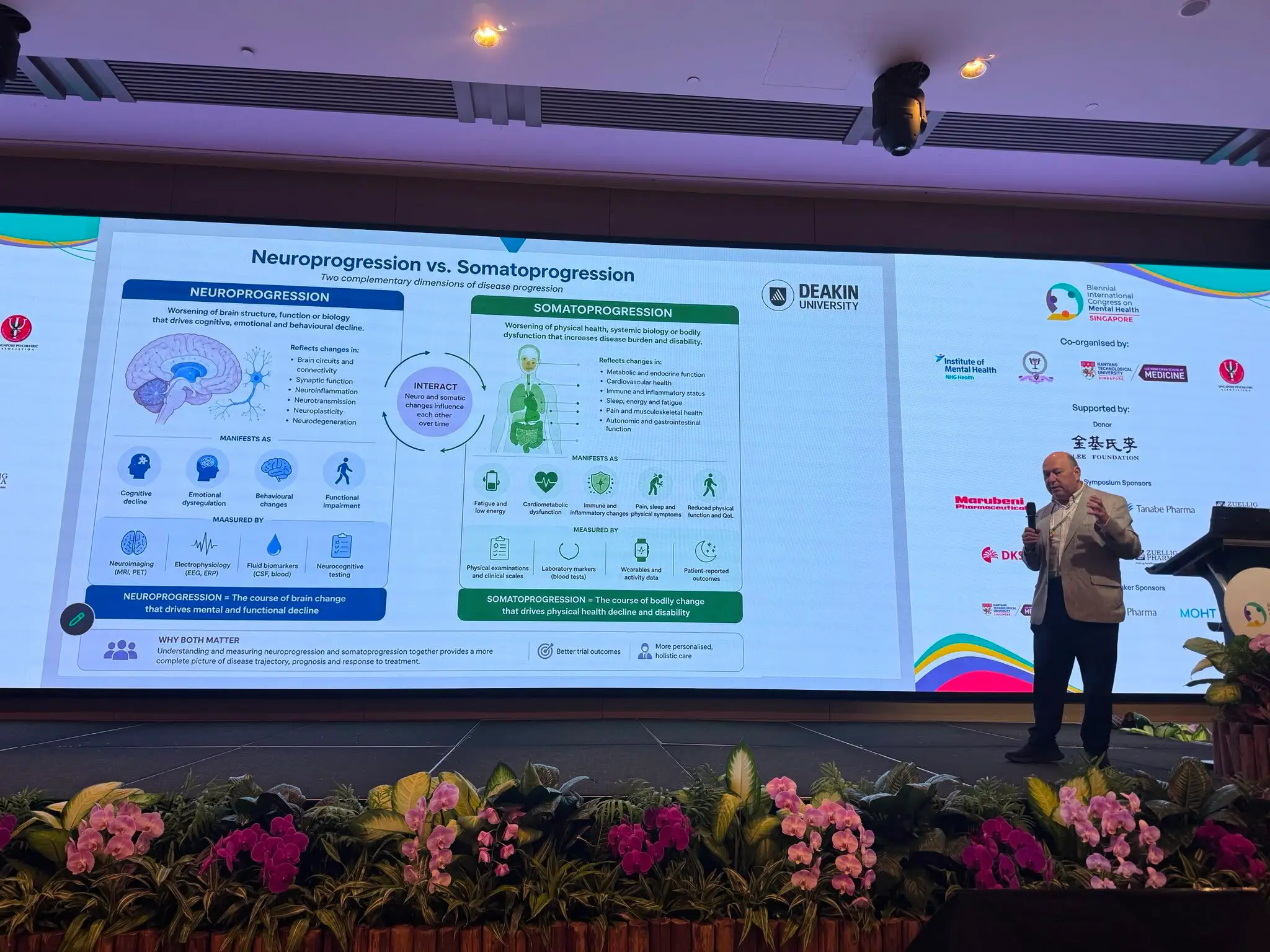
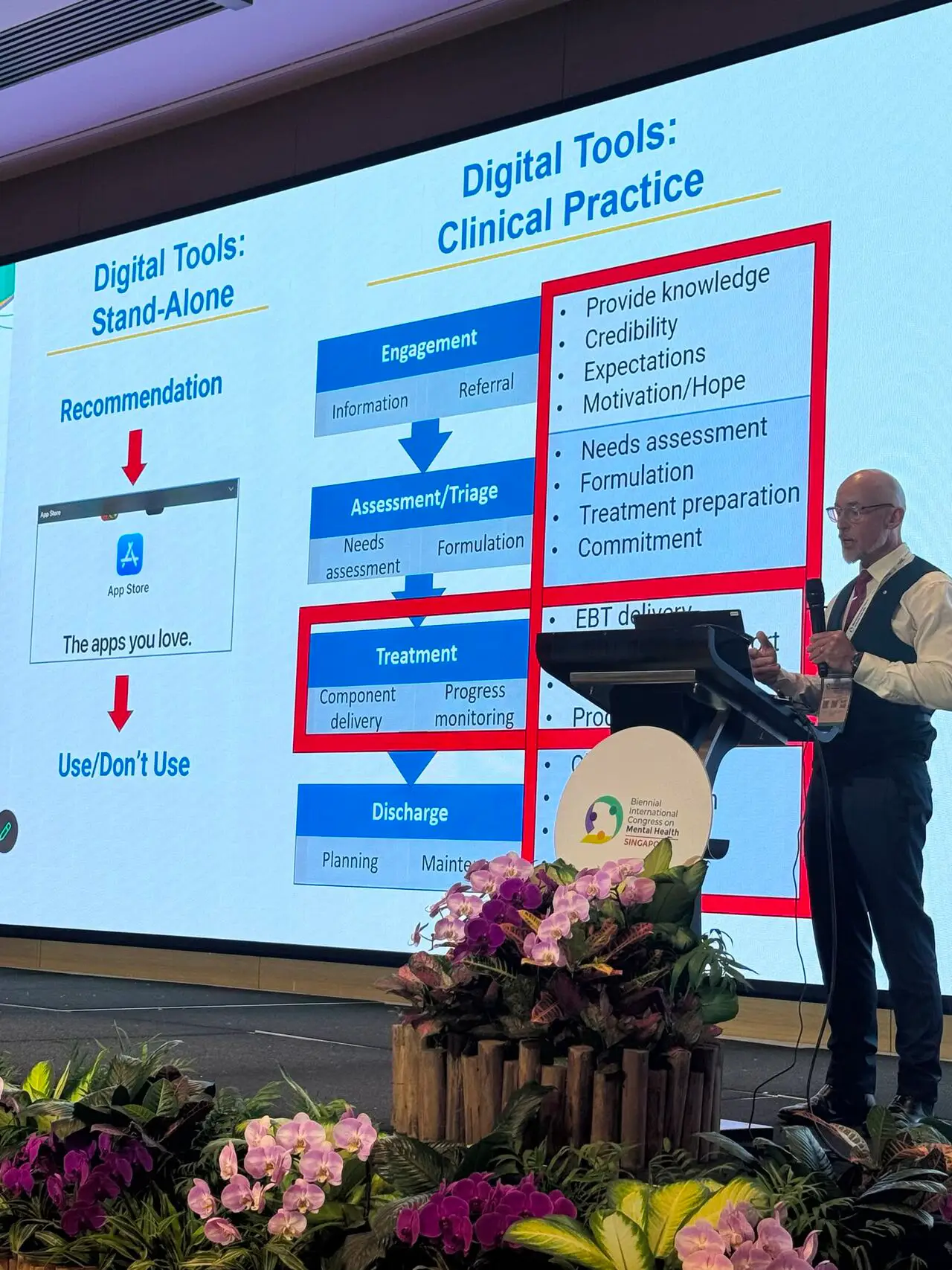
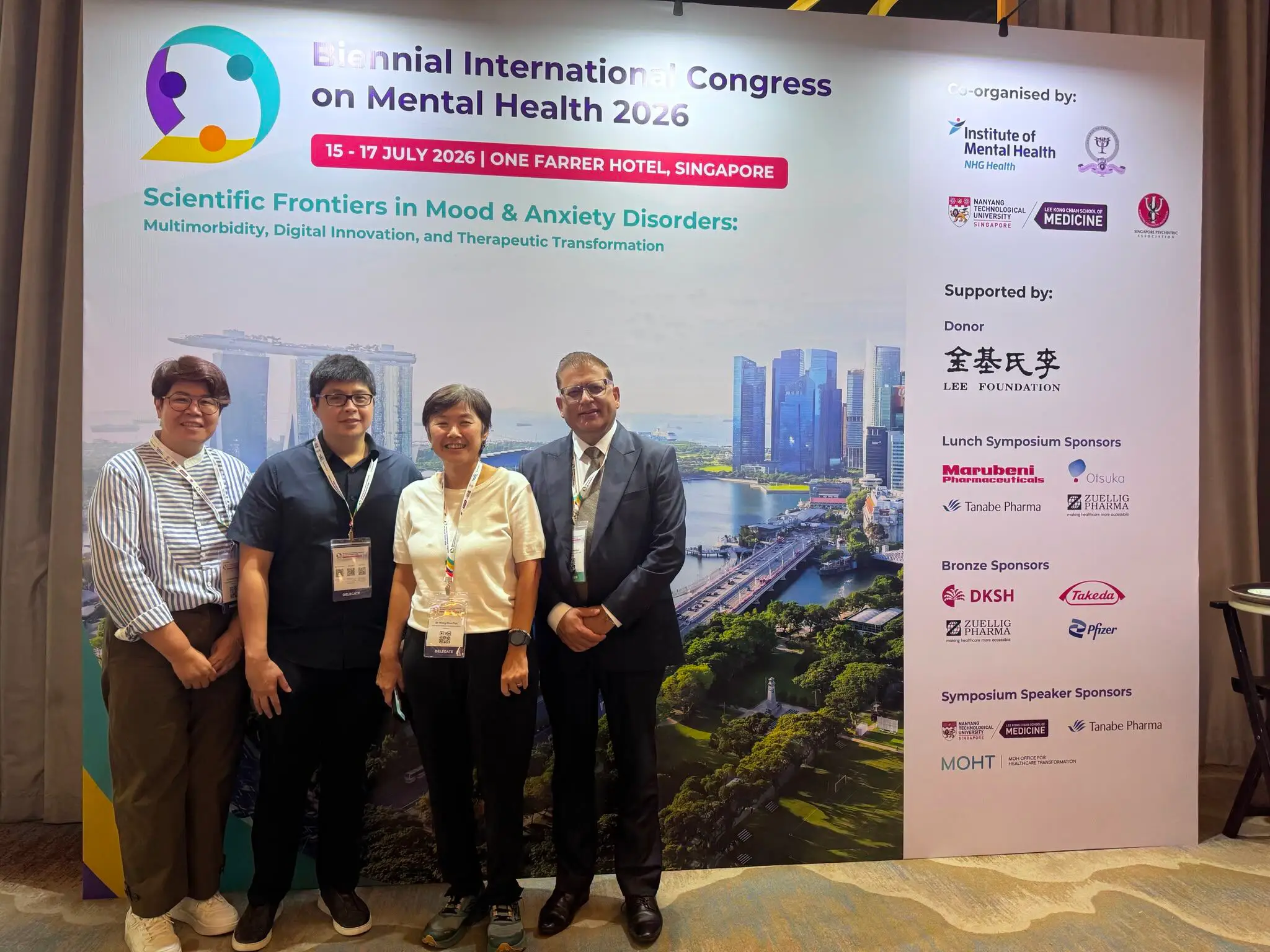
Professor Anil Thapliyal, CEO of the eMental Health International Collaborative (eMHIC), was invited as a plenary speaker at the 2nd Biennial International Congress on Mental Health (BICOMH), held in Singapore from 15–17 July 2026, joining international leaders to explore the future of mental health policy, research and innovation.
His plenary presentation, Digital Hope: Policy Pathways to Compassionate, Scalable Care for Mood and Anxiety Disorders, examined how policy, technology and clinical practice can work together to expand equitable access to effective mental health care while maintaining compassion and quality.
A Congress Focused on the Future
Over three days, delegates explored many of the most significant developments shaping mental healthcare worldwide.
Congress sessions examined topics including digital therapeutics and their integration into existing models of care, transdiagnostic approaches to treatment, multimorbidity management, neuromodulation, recovery-oriented practice, creative engagement and prevention. Across these discussions, a common theme emerged: innovation is most effective when it strengthens, rather than replaces, human-centred care.
For eMHIC, the Congress reinforced the importance of combining evidence, collaboration and implementation to ensure emerging approaches translate into meaningful improvements for people and communities.
Lessons Beyond Mental Health
Reflecting on the Congress, Professor Thapliyal highlighted that some of the most valuable insights came not only from the scientific programme, but from Singapore itself.
Once a resource-constrained port city, Singapore has become one of the world’s leading examples of long-term planning, effective governance and innovation. Its transformation demonstrates how deliberate policy decisions, sustained leadership and a commitment to the public good can create the conditions for lasting social change.
Professor Thapliyal noted three characteristics that stood out throughout his visit.
Harmony by Design
Singapore’s multicultural society is supported by policies and legal frameworks that actively promote social cohesion and mutual respect. Rather than assuming harmony will develop naturally, the country has taken a proactive approach to building trust across diverse communities.
This commitment to social cohesion provides an important foundation for public confidence, collaboration and innovation.
Safety Creates Opportunity
Singapore’s emphasis on public safety and thoughtful urban planning creates an environment where people can focus on education, wellbeing, research and innovation.
A safe, organised society does more than improve quality of life. It enables long-term thinking, encourages investment and creates the stability needed to trial new approaches, including in mental healthcare.
Vision That Extends Beyond Election Cycles
Perhaps the strongest lesson was Singapore’s willingness to think decades ahead.
Whether through integrated care, smart-city infrastructure or technology adoption, Singapore consistently demonstrates how ambitious long-term planning, supported by disciplined implementation, can transform constraints into opportunities.
Professor Thapliyal observed that innovation succeeds when visionary thinking is matched with operational excellence.
Building Better Mental Health Systems
The Congress highlighted the growing international momentum behind digitally enabled mental healthcare. At the same time, it reinforced that technology alone is not enough.
Scalable mental health systems require thoughtful policy, strong governance, collaboration across sectors and a commitment to equity. Digital innovation works best when it complements existing services and remains firmly centred on people’s needs.
These principles align closely with eMHIC’s mission of bringing together global leaders to share knowledge, adapt international best practice and accelerate the implementation of safe, effective and equitable digital mental health solutions.
Looking Ahead
The 2nd Biennial International Congress on Mental Health provided an opportunity to exchange ideas with colleagues from around the world while exploring how different countries are responding to shared mental health challenges.
For eMHIC, the experience reinforced an important message: creating better mental health systems is about more than adopting new technologies. It requires cultures that value collaboration, governments willing to think beyond short-term cycles, and health systems designed with both innovation and humanity at their core.
As countries continue to strengthen their mental health systems, Singapore offers an inspiring example that lasting transformation begins with a clear vision, sustained leadership and a commitment to creating the conditions in which innovation can flourish.