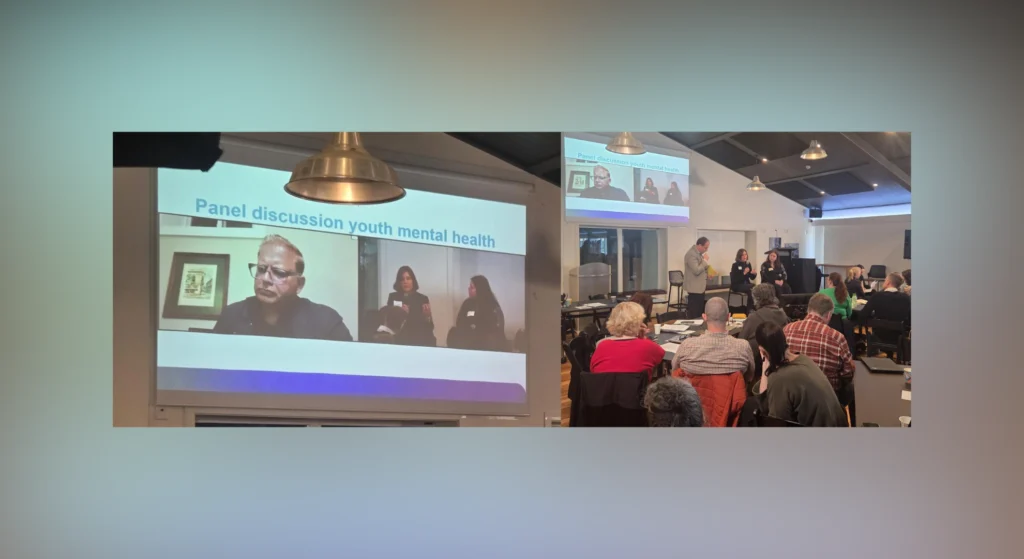
The American Psychiatric Association’s (APA) Council on International Psychiatry and Global Health is charting a forward-looking course to tackle the world’s most pressing mental health challenges, emphasizing collaboration, education, and the crucial transfer of knowledge across cultural and geographic divides. Under its mandate, the Council recognizes that modern psychiatric practice must embrace a global perspective, viewing the individual within their social context and focusing on the social determinants of health.
The Strategic Pivot: From Local to Global Best Practices
The Council is deeply engaged in addressing the mental health implications of major global stressors, such as mass migration, and fostering education through the development of a Global Mental Health (GMH) curriculum for psychiatric residency programs. Critically, this work is inspired by successful, community-anchored models from around the world, specifically those that effectively close treatment gaps in resource-limited settings.
Examples such as Integrative Community Therapy in Brazil and the Friendship Bench initiative in Zimbabwe highlight the effectiveness of culturally adapted, community-based solutions. These approaches are powerful demonstrations of how locally-developed knowledge can be scaled and adapted globally, providing effective mental health support where traditional systems may fall short.
The Digital Strategy: Creating a Resource Clearinghouse
A cornerstone of the Council’s future agenda is the development of a Resource Clearinghouse for International Psychiatry. This initiative serves as the technological foundation for their strategy, aiming to centralize and disseminate vital information.
The objective is to create a hub that goes beyond simple document storage. This clearinghouse will:
- Collect and Curate: Gather essential knowledge, practical skill sets, and resource bases from the APA and allied national and international organizations.
- Facilitate Transfer: Create direct links and structured access to tools for humanitarian workers and mental health professionals who are “on mission” or practicing in challenging environments.
- Bridge Gaps: Ensure that the best practices—whether they originate from the Global North or Global South—are accessible for local adaptation, thereby promoting a genuine transfer of knowledge rather than a colonial export of ideas.
This centralized repository is designed to ensure that effective, evidence-based practices are easily sourced, accelerating the adoption of scalable solutions, many of which can be adapted for digital delivery (digital mental health) in low-resource contexts.
A Commitment to Global Engagement
By proactively reviewing and unifying the concepts of International, World, Global, Social, Cultural, and Comparative Psychiatry, the Council is committed to a robust engagement with world associations. This integrated approach acknowledges that a globally respected and informed American psychiatry is better equipped to achieve equity and respond to the human rights implications inherent in the delivery of mental health care worldwide. The vision is to build a collaborative, international “tool-kit” of best practices, ensuring a more resilient and equitable global mental health landscape.