Silver Shield: Privacy-First Home Wellness Monitoring

Share this initiative
Key Details

Organisation Name

Pontosense

Location

30 Adelaide Street East, 12th Floor, Toronto, ON M5C 3G8
Canada

Website

Social

eMHIC Member Status

Community Member

At a Glance

Description

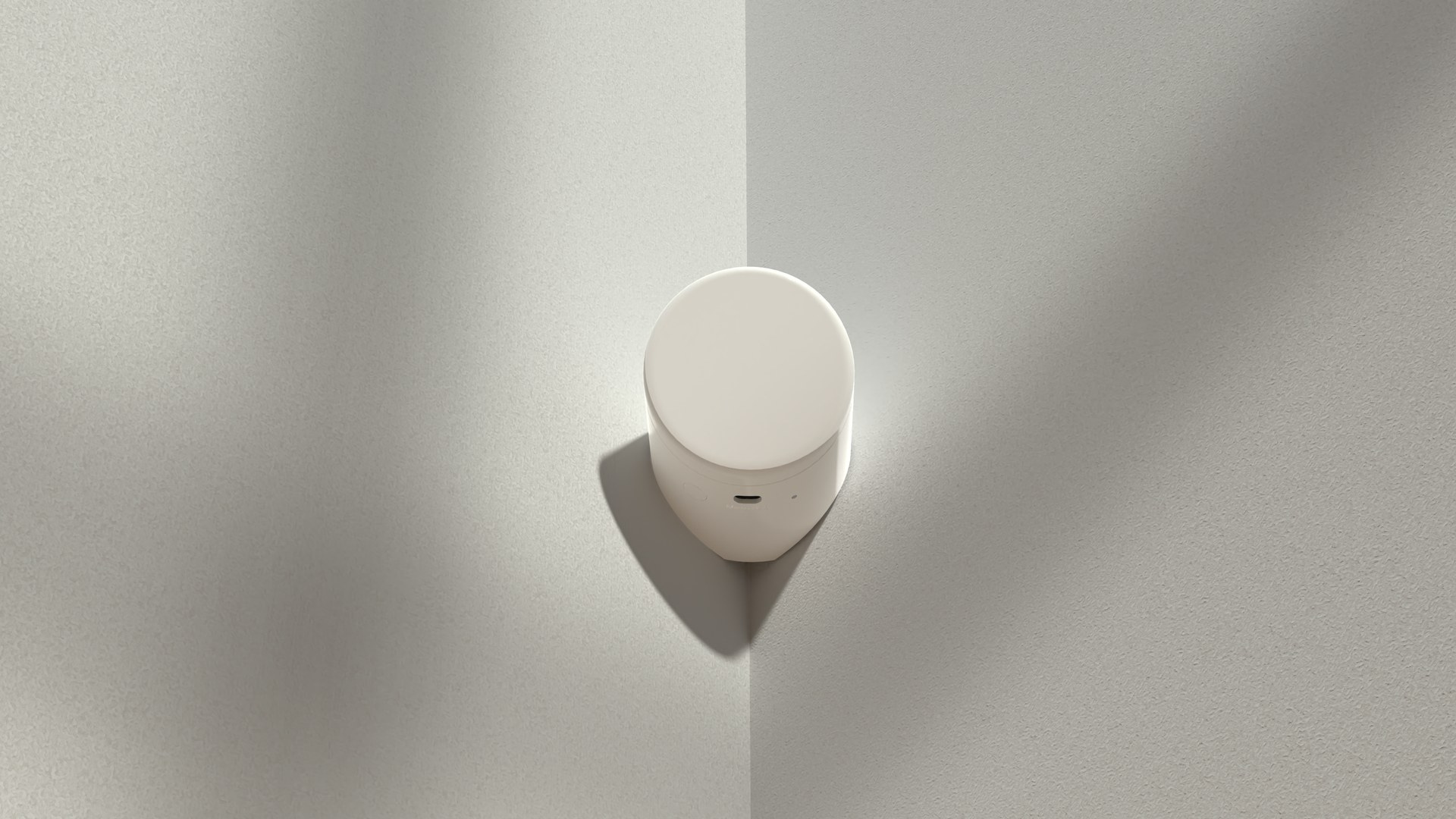
Pontosense uses privacy-first radar sensing to monitor safety, sleep, movement and daily routines without cameras, microphones or wearables. It helps families and care teams identify meaningful changes, respond earlier and support older adults living independently at home.

Implementation Status

Multi-national delivery

Deployed through leading home care providers and care partners across North America, Europe and Asia, with active implementations and partnerships spanning 24 countries.

Target Population

Older adults

Older adults seeking to live safely, confidently and independently in their own homes.

Family caregivers

Families seeking reassurance, timely alerts and greater visibility into a loved one’s wellbeing.

Home care providers

Care organizations supporting safer, more proactive and personalized services for clients at home.

People with cognitive decline

People experiencing cognitive changes who may benefit from passive routine and wellbeing monitoring.

Impact & Outcomes

2025–2026 customer deployments and evaluations
Outcomes are measured through deployment data, alert and response records, customer retention analysis, caregiver feedback, operational workload assessments and partner-led evaluations. Pontosense also tracks detection accuracy, false-alert frequency, changes in daily routines, sleep and movement patterns, and the time between an incident and caregiver response.
5x faster
Emergency response times
25–30%
Improvement in client retention
25%
Reduction in client churn
15%
Reduction in staff workload
<1
False alert per home per month
5x faster
Emergency response times
25–30%
Improvement in client retention
25%
Reduction in client churn
15%
Reduction in staff workload
<1
False alert per home per month

Interconnected Magazine

Now accepting submissions of interest for the upcoming issue.

Interconnected is the world’s only digital mental health magazine.

Want to be featured?

Email [email protected]

Initiative Overview

The Current Gap

Older adults increasingly want to remain at home, but families and care teams often lack timely, objective visibility into changes in safety, sleep, mobility and daily routines. Existing solutions frequently depend on cameras, microphones, wearables or emergency buttons, which can create privacy concerns, require active use or miss gradual changes in wellbeing. This leaves caregivers reacting after an incident rather than identifying risks earlier.

There is a need for passive, privacy-preserving technology that supports independence while helping families and professionals understand when meaningful changes may require attention.

Pontosense combines privacy, clinical relevance and large-scale implementation. The technology has been deployed through leading home care and care organizations across North America, Europe and Asia, with partnerships spanning 24 countries. Its value extends beyond emergency detection by helping identify changes in sleep, activity, mobility and routine that may signal declining physical, cognitive or emotional wellbeing.

Pontosense is designed to complement caregivers and health professionals, not replace them, by providing objective information that supports earlier conversations, more personalized care and greater peace of mind for families.

Our Solution

Pontosense provides contactless home monitoring using advanced radar sensing and artificial intelligence. The system detects falls, prolonged inactivity, bed and room exits, and changes in sleep, movement and daily activity without cameras, microphones or wearables. Alerts and wellbeing insights are delivered to families and care teams through mobile and web applications, enabling earlier intervention and more informed support.

The solution is designed for simple installation, continuous passive monitoring and scalable deployment across home care, senior living and aging-in-place programs.

Key Features

1

Privacy-First Contactless Monitoring

Uses radar instead of cameras, microphones or wearables, preserving dignity while continuously monitoring safety and wellbeing.

2

Automatic Fall Detection

Detects falls and prolonged inactivity automatically, without requiring the individual to press a button or wear a device.

3

Sleep and Routine Insights

Tracks changes in sleep, movement and daily routines that may indicate emerging health or wellbeing concerns.

4

Real-Time Caregiver Alerts

Sends immediate alerts to families and care teams, enabling faster response when meaningful events or changes occur.

5

Passive Continuous Operation

Works continuously without charging, remembering devices or changing behaviour, supporting reliable monitoring for older adults.

6

Scalable Care Platform

Provides mobile and web dashboards for families and organizations managing monitoring across multiple homes and care recipients.


Collaboration in Action

Main Collaborators

  • b9ERtfhYBUBhDxRlK1SMuNVG4
  • c99c89_363d996afc0b4d6d94d43310956f2228~mv2
  • dik9pquwuyajzbf7sqov
  • VHA-Home-HealthCare-2026-Logo-Final-Jan

Join Our Global Community

Three ways to get involved:

Choose the level that fits.

Key Learnings

The main challenges were achieving reliable contactless monitoring in varied home environments, minimizing false alerts, protecting privacy and making installation simple for older adults, families and care providers. Implementation also required integrating the technology into existing care workflows without increasing staff burden.

Different housing types, connectivity conditions, regulatory requirements and care models across countries required extensive testing and adaptation. Building trust was equally important, particularly when introducing a new sensing technology to individuals who may be cautious about monitoring in their homes.
The most important lesson is that technology must fit naturally into existing lives and care workflows. Passive systems are most effective when they require little or no behaviour change from the older adult. Privacy, transparency and ease of use should be addressed from the beginning, not added later. Successful implementation also requires clear escalation protocols, caregiver training, measurable outcomes and close collaboration with frontline teams.

Organizations should begin with a focused use case, validate performance in real homes and involve families, care professionals and older adults throughout the design process.
International collaboration was essential because aging, caregiving and access to support differ significantly across countries. Working with care providers, researchers and implementation partners in multiple regions helped Pontosense test the technology across diverse homes, cultures, care models and regulatory environments. These partnerships improved product design, installation processes, alert workflows and user education. They also demonstrated that privacy-preserving monitoring addresses a shared global need: helping older adults remain independent while giving families and care teams better information.

International collaboration enabled local adaptation while preserving a consistent and scalable technology platform.

Looking Ahead

Pontosense plans to expand deployment across home care, senior living and aging-in-place programs internationally. Future phases will enhance sleep, mobility, activity and routine insights, helping care teams identify meaningful changes earlier. The company will continue clinical and real-world evaluations, strengthen integrations with care platforms and improve tools for families and professional caregivers.

Additional priorities include expanding access through health systems, insurers, community organizations and telecommunications partners, while developing sustainable service models that make privacy-first monitoring available to more older adults.
Pontosense welcomes collaboration with healthcare systems, researchers, home care organizations, senior living providers, mental health and aging specialists, insurers, government agencies and community organizations. Opportunities include pilot programs, outcome studies, clinical validation, regional implementation, platform integration and evaluation of sleep, activity, mobility and behavioural trends. Pontosense is particularly interested in partnerships exploring how passive environmental data can support earlier intervention, cognitive wellbeing, caregiver reassurance and independent living.

Collaboration enquiries can be directed to [email protected]
Our vision is to make privacy-first, intelligent home monitoring a standard part of aging and care worldwide. Pontosense aims to help shift care from reactive intervention to proactive support by identifying meaningful changes before they become emergencies. Over time, the platform will provide a more complete understanding of sleep, mobility, activity and daily wellbeing while preserving dignity and independence.

By connecting older adults, families and care professionals with timely, objective insights, Pontosense seeks to create safer homes, stronger care networks and greater peace of mind.
eMHIC Directory_Key Contacts (18)

Key Contact

Alex Qi
CEO
Pontosense

Email

Website

PROMOTION

Directory Banner Placements (9)