Rubi AI VR EMDR Therapy

Share this initiative
Key Details

Organisation Name

Studio Bahia

Location

United States

Social

eMHIC Member Status

Community Member

At a Glance

Description

Rubi AI VR EMDR Therapy is an offline, AI-guided immersive therapy system designed to help refugees, hospital patients, and underserved populations process trauma early through structured VR-based EMDR interventions.

Implementation Status

Pilot initiative

Development begins June 2026 with planned pilot trials in the largest U.S. burn unit and humanitarian deployment through refugee-focused partnerships.

Target Population

Refugees

Displaced individuals experiencing acute trauma, stress, loss, and limited mental health access.

Burn Patients

Hospital burn patients at high risk of developing PTSD after traumatic injury.

Youth

Adolescents experiencing trauma, anxiety, depression, or emotional dysregulation in low-resource settings.

Veterans

Veterans experiencing PTSD, trauma exposure, chronic stress, or procedural anxiety.

Impact & Outcomes

2026-2027
Outcomes will be measured using PTSD symptom scales, anxiety assessments, session completion rates, patient feedback, and clinician observations during hospital and refugee deployment pilots. Burn unit trials will evaluate whether early immersive EMDR intervention reduces PTSD onset compared to standard care.
90%
Target PTSD reduction
2-3session
Early intervention protocol
72 hours
Post-trauma intervention window
1000LiliVR
Refugee deployment commitment
7500
Prior immersive study reach
Offline Us
No Wi-Fi required
<10 Minute
Typical guided sessions
Multi-lang
Culturally adaptable therapy
90%
Target PTSD reduction
2-3session
Early intervention protocol
72 hours
Post-trauma intervention window
1000LiliVR
Refugee deployment commitment
7500
Prior immersive study reach
Offline Us
No Wi-Fi required
<10 Minute
Typical guided sessions
Multi-lang
Culturally adaptable therapy
the largest digital therapeutic study in the U.S., where they tested 10-minute interventions with 7,500 people experiencing depression. The researchers called our production "one of the most visually and conceptually rich" of all the interventions!

Benjamin Kaveladze, Northwestern University

Related Articles
Knowledge Bank images-2025 (21)
China Global Dialogue Forum: Digital innovation driving mental health transformation

Interconnected Magazine

Now accepting submissions of interest for the upcoming issue.

Interconnected is the world’s only digital mental health magazine.

Want to be featured?

Email [email protected]

Initiative Overview

The Current Gap

Millions of people experiencing trauma, including refugees, burn patients, and underserved youth, have little or no access to timely mental health care. PTSD is often treated months or years after trauma occurs, despite evidence that early intervention is critical. Existing therapy models depend heavily on trained specialists, internet connectivity, and long-term access to care, making them difficult to scale in hospitals, humanitarian settings, and low-resource communities.

Studio Bahia was founded in response to children as young as nine experiencing suicide and self-harm in refugee camps. Our humanitarian-first design philosophy led to the development of Lili VR kits, now used in hospitals for pain and anxiety reduction. We believe immersive therapies can make mental health support more immediate, accessible, and globally scalable, particularly for populations traditionally excluded from care.

Our Solution

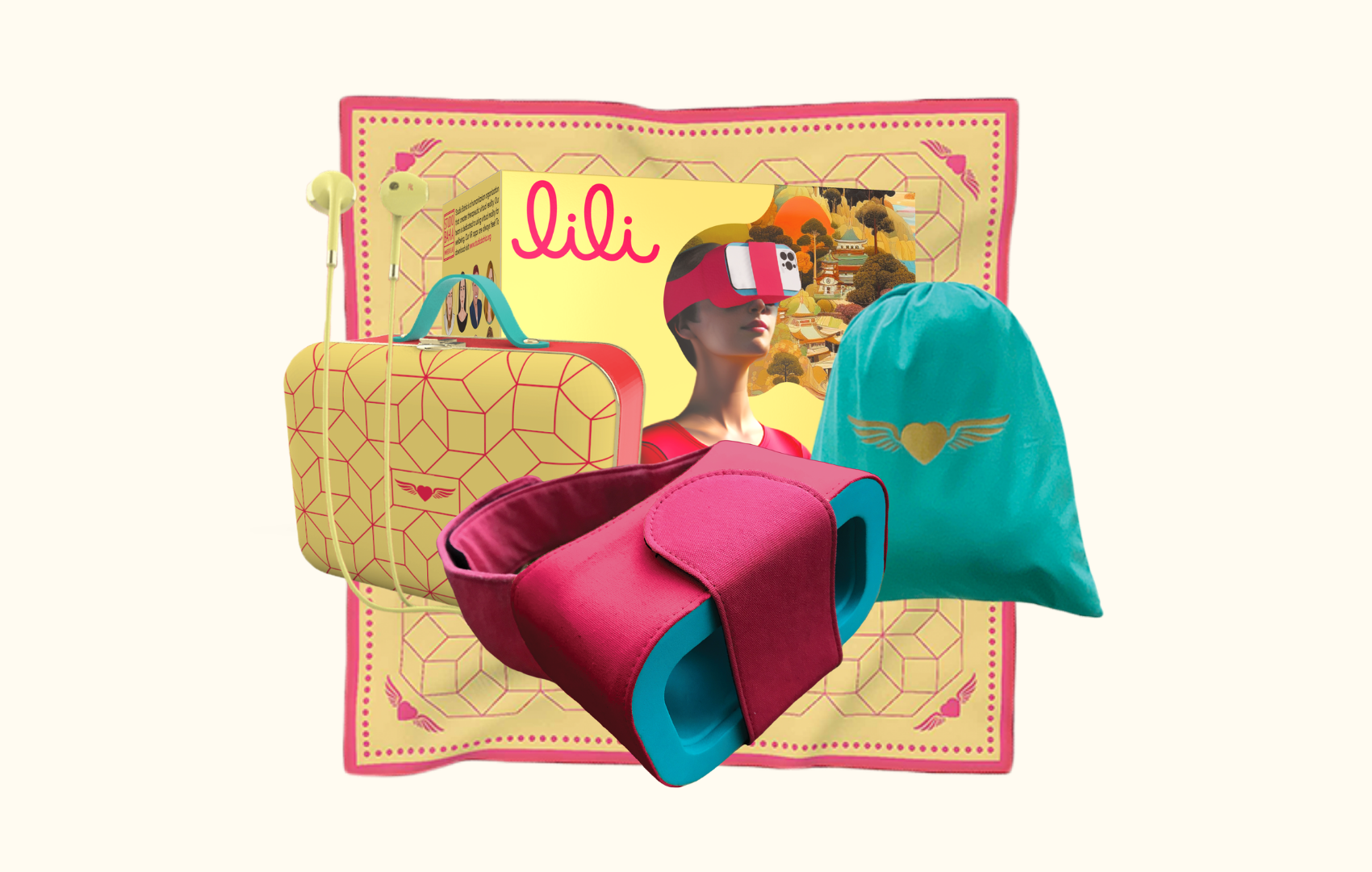
Rubi AI VR EMDR Therapy is an offline, immersive therapeutic system designed to help individuals process trauma shortly after it occurs. Using structured EMDR-based guidance delivered through VR and a constrained Small Language Model, Rubi provides scalable, multilingual trauma support without relying on continuous internet access. The system is being developed for deployment in hospitals, refugee settings, and underserved communities using low-cost Lili VR kits.

Key Features

1

Offline-First Therapy

Designed to function without Wi-Fi or cloud connectivity, enabling deployment in hospitals, refugee camps, and low-resource environments.

2

Small Language Model (SLM)

Uses a constrained Small Language Model to deliver structured therapeutic guidance safely and predictably rather than open-ended conversation.

3

Immersive VR EMDR Delivery

Combines VR environments with guided EMDR-based trauma processing to support emotional regulation and early intervention.

4

Early Trauma Intervention

Focused on peritraumatic care, helping patients process trauma within hours or days of traumatic events to reduce PTSD risk.

5

Low-Cost Lili VR Kits

Portable, affordable VR kits designed for scalable deployment across humanitarian, clinical, and community settings.

6

Multilingual & Culturally Adaptive

Therapeutic experiences can be localized by language, culture, and population to improve accessibility and patient comfort.

Collaboration in Action

Main Collaborators

University of Chicago
Mitre Corporation
UN Behavioural Science Group
Brooke Army Medical Center
Robert Wood Johnson University Hospital

Join Our Global Community

Three ways to get involved:

Choose the level that fits.

Key Learnings

The primary challenges have included developing safe, offline AI systems for therapeutic use, adapting trauma interventions for low-resource settings, and securing funding for clinical validation.

Another challenge is designing culturally adaptable experiences that remain clinically structured while serving highly diverse populations, including refugees, hospital patients, and youth.
Simplicity and accessibility matter more than technological complexity. Interventions designed for low-resource environments often become highly effective in hospitals and mainstream healthcare.

Building alongside clinicians, patients, and affected communities early in development is essential for creating therapies that are safe, usable, and scalable.
International collaboration has been essential because trauma is a global issue that crosses cultures, languages, and healthcare systems.

Partnerships with universities, hospitals, humanitarian organizations, and engineering teams have helped combine clinical knowledge, immersive technology, AI development, and implementation experience across diverse environments.

Looking Ahead

Future plans include completing development of Rubi AI VR EMDR Therapy, conducting pilot trials in major hospital systems, expanding multilingual support, and scaling deployment through humanitarian and healthcare partnerships.

Long-term goals include broader clinical validation, refugee deployment programs, and development of additional AI-guided immersive therapies.
We welcome collaborations with hospitals, researchers, AI developers, humanitarian organizations, and mental health professionals interested in immersive therapy, trauma care, and offline AI systems.

Contact: Allen Olson-Urtecho — [email protected] — www.studiobahia.org
Our vision is to make trauma support immediate, accessible, and globally scalable through immersive therapeutic systems.

We aim to expand AI-guided VR therapies across hospitals, refugee settings, and underserved communities while building multilingual, offline-first tools that can operate anywhere care is needed.
Allen-Olson-Urtecho-with-Studio-Bahia.jpg

Key Contact

Allen Olson-Urtecho
Design Lead, Founder
Studio Bahia

Email

Website

Media

Rubi AI VR EMDR Therapy by Studio Bahia 2025

PROMOTION

Directory Banner Placements (9)