Share this initiative
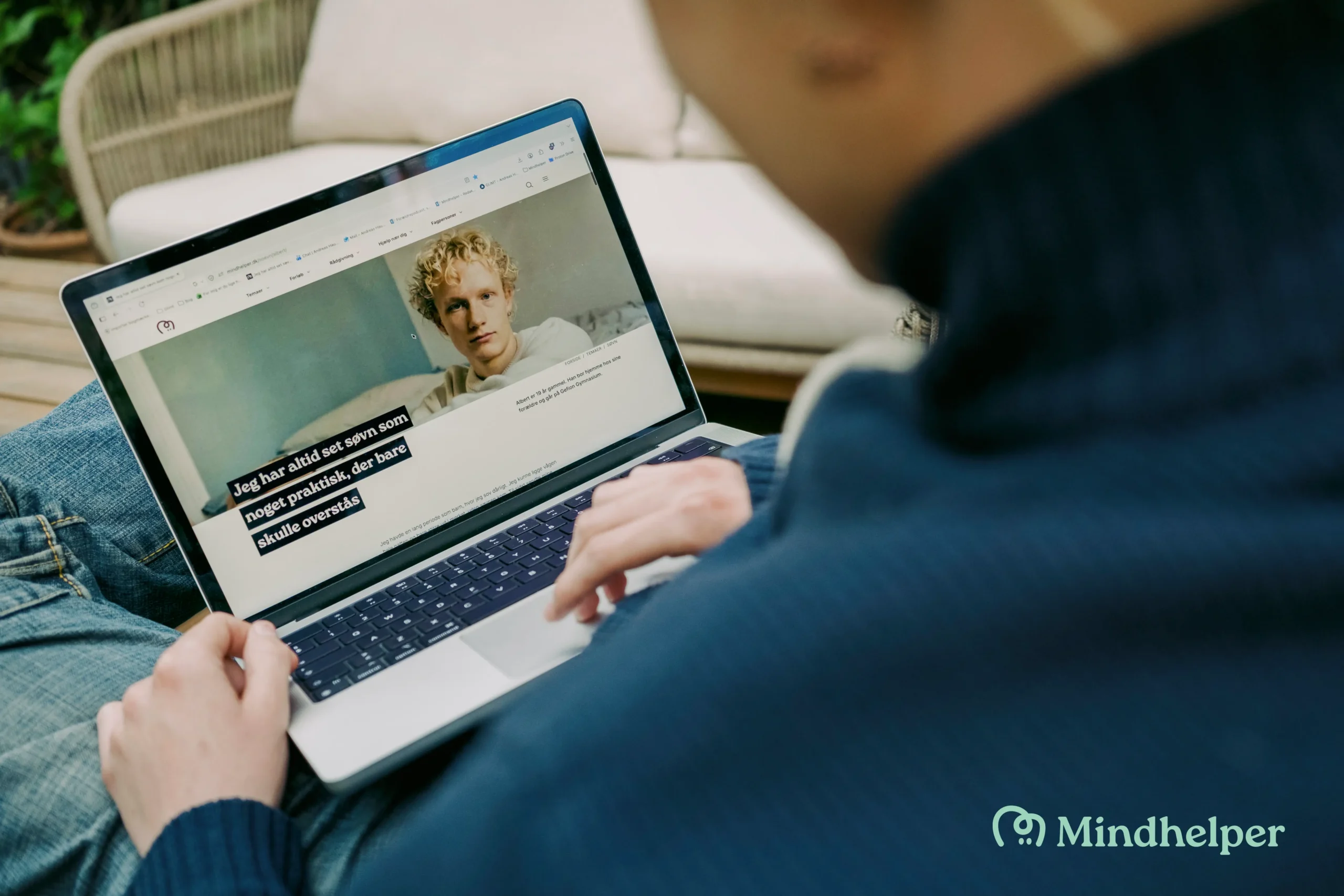
Anonymous counselling, peer stories, self-help tools and the RO app support youth wellbeing, reduce stigma, build coping skills, guide access to local services, and provide structured school-based mental health programmes.
Approximately 1 million young people nationwide aged 13–25
teachers, student counsellors, wellbeing counsellors, mentors, others
Service User
Service User
Service User
Service User
Service User

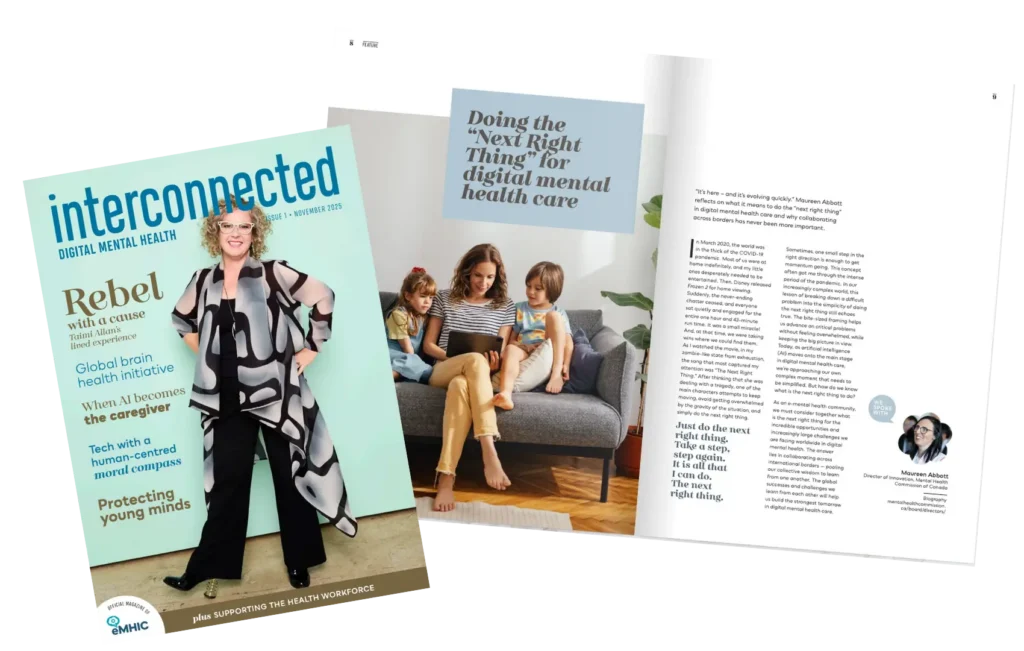
Now accepting submissions of interest for the upcoming issue.
Interconnected is the world’s only digital mental health magazine.
Want to be featured?
Email [email protected]
Mindhelper.dk responds to rising mental health challenges among young people, who often face long waiting times, limited access to specialised services, and uncertainty about where to seek help. Many experience shame or confusion about their symptoms, creating barriers to early support.
Anchored in Denmark’s public healthcare system, Mindhelper.dk provides credible, evidence-based information and practical coping tools. It promotes early intervention through psychoeducation, self-help resources, and clear guidance on help-seeking. By offering anonymous, free-of-charge access without referral, it lowers thresholds and makes support available anytime. Designed as a low-intensity Step 1 service within a stepped-care model, Mindhelper.dk aligns with national priorities, emphasising prevention, early action, and digital solutions.
Mindhelper.dk is being evaluated in a large-scale randomized controlled trial led by the Danish National Institute of Public Health (University of Southern Denmark), registered at ClinicalTrials.gov (NCT06385457). The study forms part of the broader Mindhelper Study, including qualitative and economic components and a sub-study on body appreciation.
Young people aged 15–25 are recruited via social media and randomly assigned to an intervention group with access to Mindhelper.dk or a control group without access. Participants complete surveys at baseline, 2, 6, and 12 weeks. The primary outcome is mental wellbeing, with secondary measures including psychological functioning and exploratory outcomes such as help-seeking, stress, anxiety/depression symptoms, and body appreciation. The study aims to recruit around 4,910 participants, and results are expected in 2026.
Mindhelper.dk is Denmark’s national digital platform for promoting mental wellbeing among young people. It provides free, anonymous, evidence-based information and self-help tools topics such as stress, anxiety, loneliness, sleep and low mood, including articles, lived-experience stories, practical exercises, podcasts, and courses, plus an anonymous Q&A service with professional guidance. It includes a local service navigator to help users find relevant support, improving access to care, and develops digital wellbeing teaching materials for both elementary and secondary schools.
A nationwide gratitude programme has reached thousands of classrooms, with has just launched a programme for exam anxiety. Mindhelper also created the stress-prevention app Ro, downloaded more than 84,000 times, with 92% of users reporting helpful content, and has operated as a national public service since 2016.
Young people can ask sensitive questions anonymously and receive professional guidance and reassurance.
Youth narratives, podcasts and public Q&As reduce stigma and help users feel less alone.
Practical exercises, online courses and the RO app support daily stress reduction and emotional regulation.
A guidance function helps young people find relevant local and municipal support and treatment options.
Digital teaching resources enable teachers and counsellors to facilitate structured wellbeing programmes for students.

Three ways to get involved:
Choose the level that fits.